Sugar & Slavery Trail

This trail explores Paxton’s collections in each room of the house and how they are connected to the Caribbean and Transatlantic slavery.

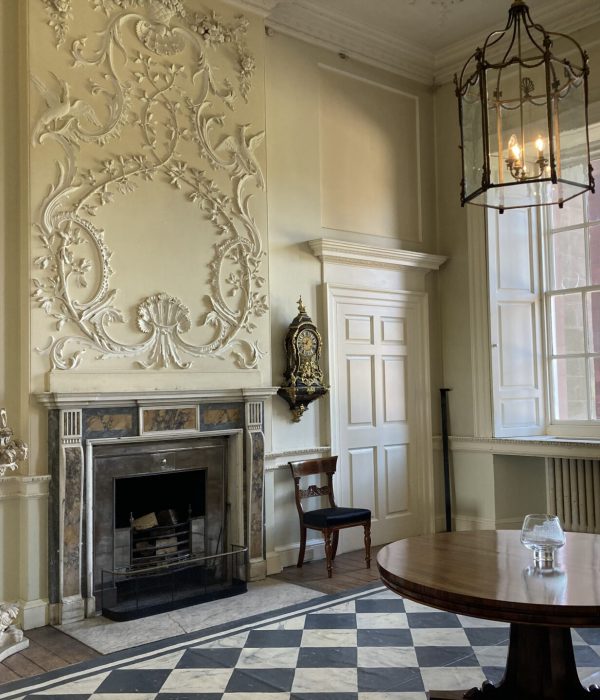
Entrance Hall

The Entrance Hall at Paxton House was one of the only rooms Patrick Home had completed.
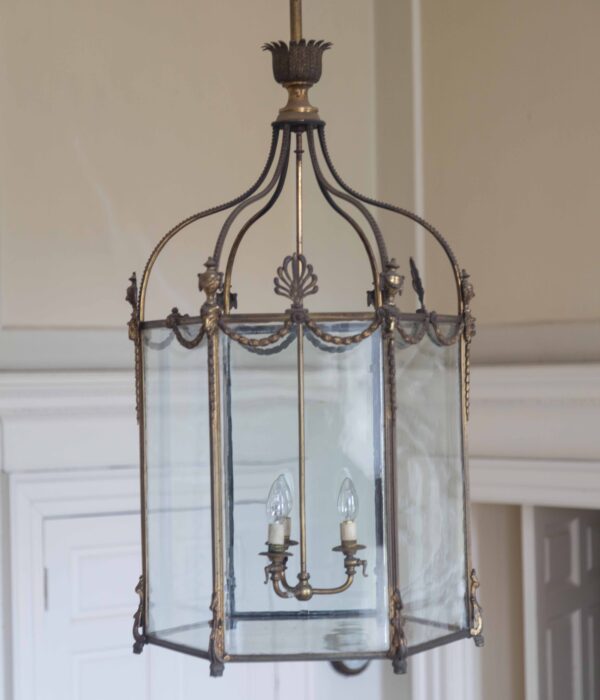
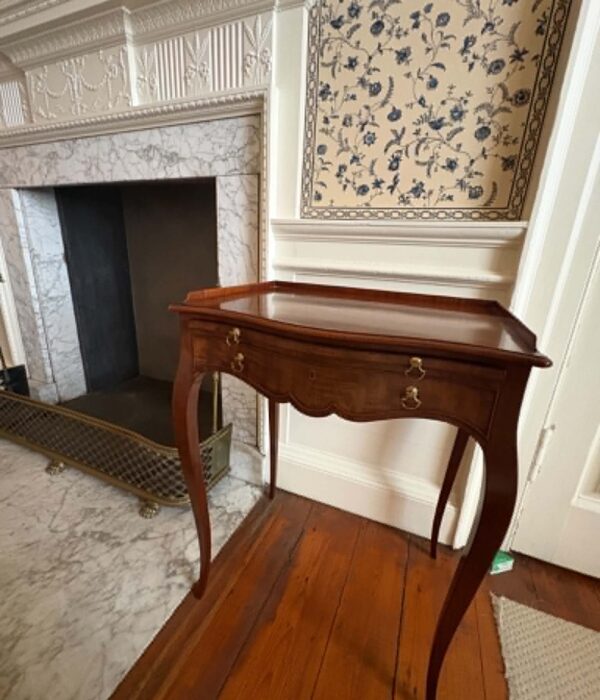
The magnificent rococo plasterwork on the chimney breast is an important feature- completed by a local, young craftsman George Morrison. We have chosen three significant items from the collection to highlight.

Explore Items

Morning Room

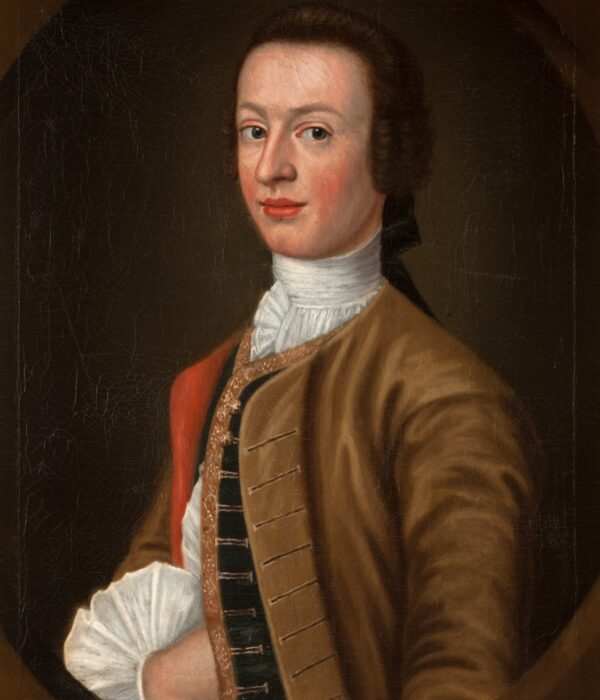
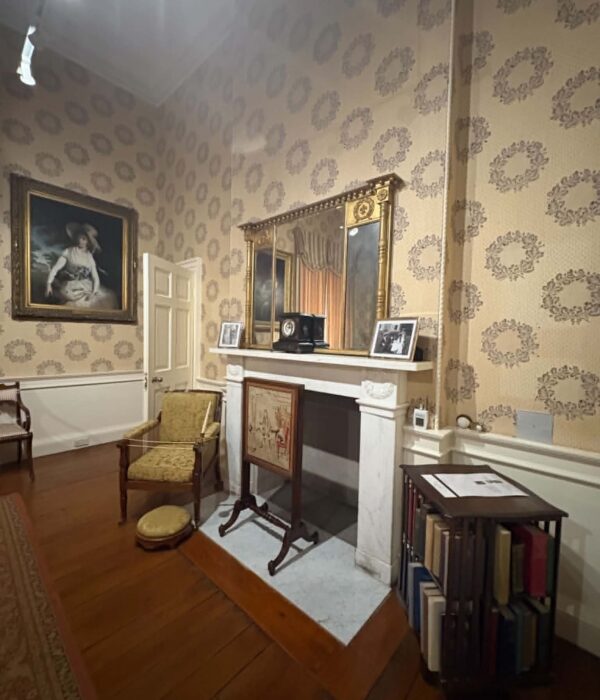
The Morning Room  is a small private room detached from the larger public rooms- in the 18th century, often referred to as the parlour.
In this room we have highlighted two items from the collection.

Explore Items

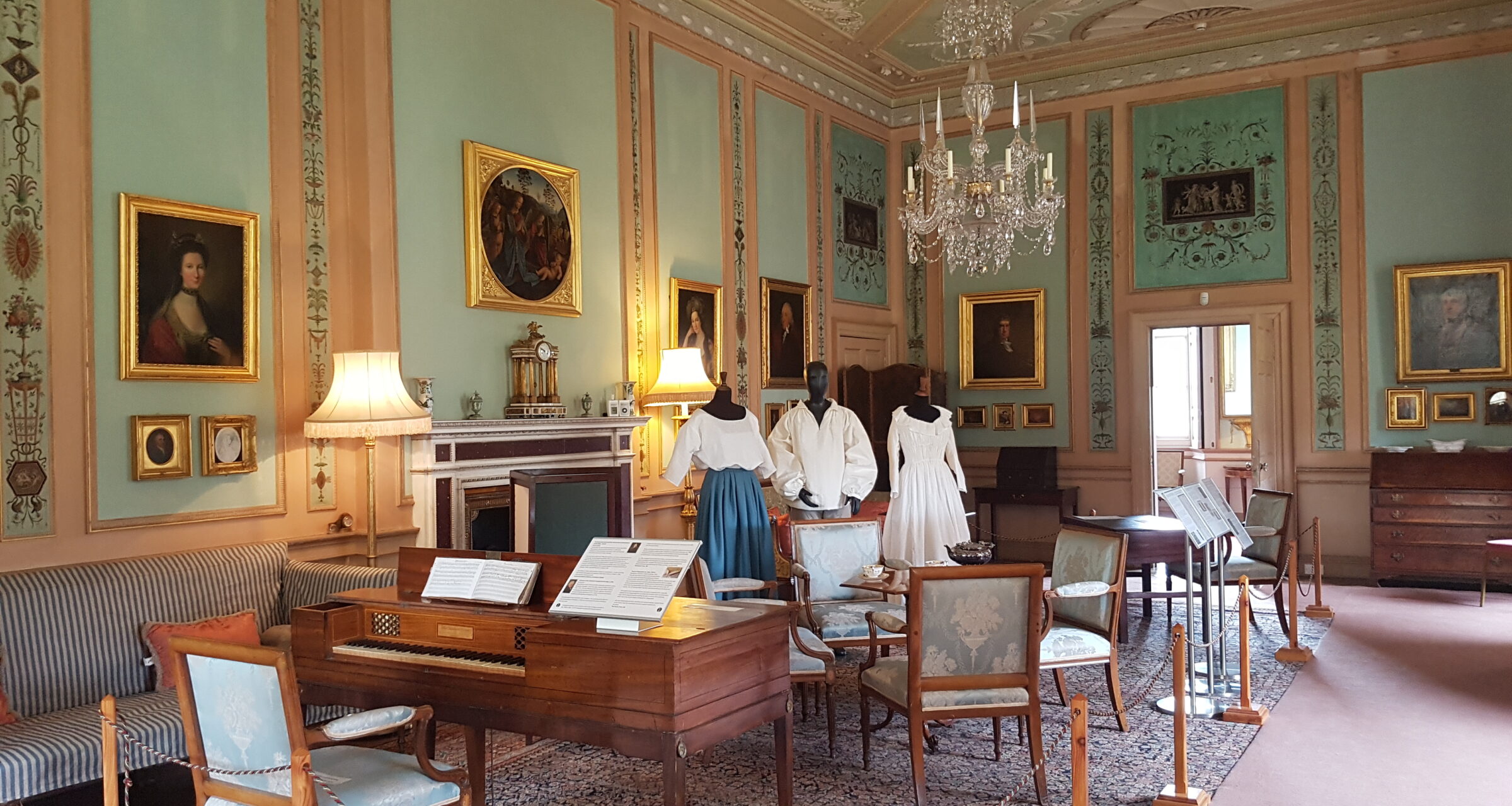
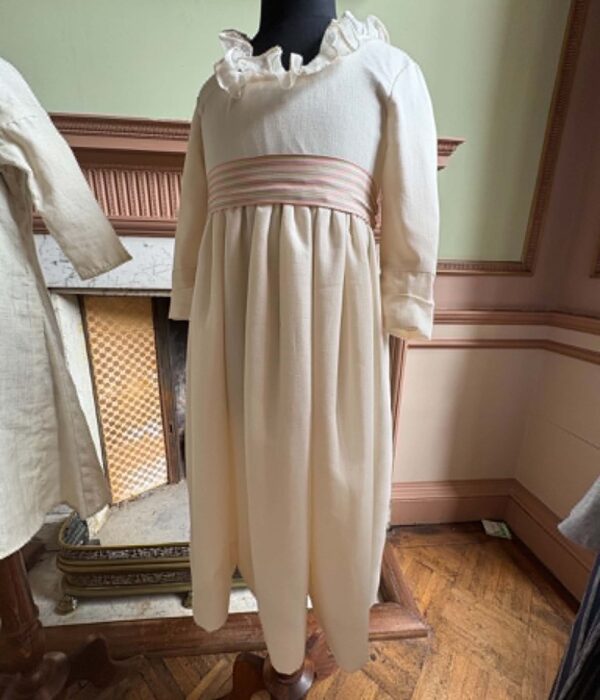
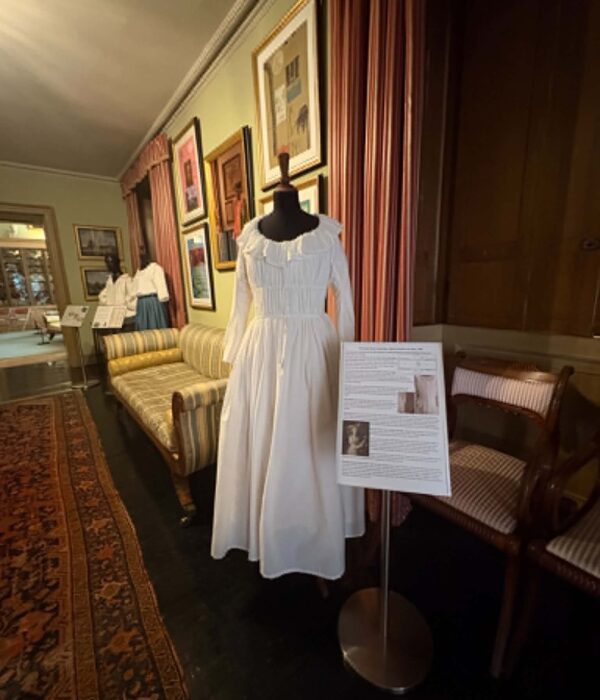
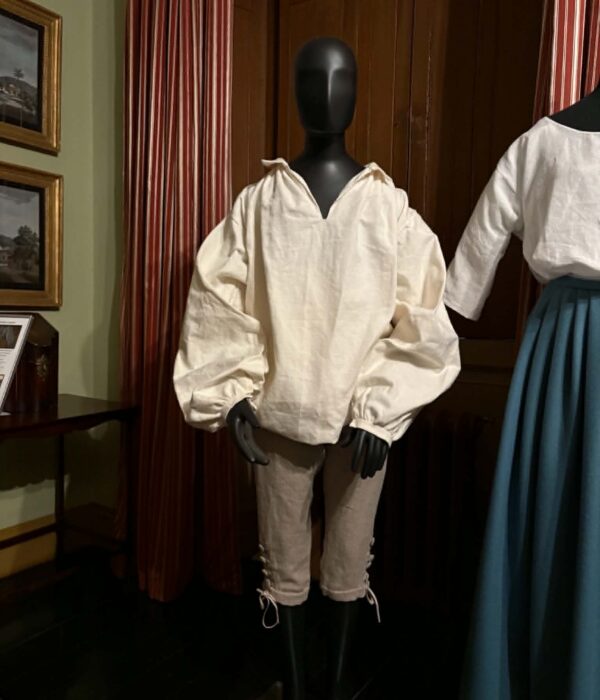
Costume Exhibition Room

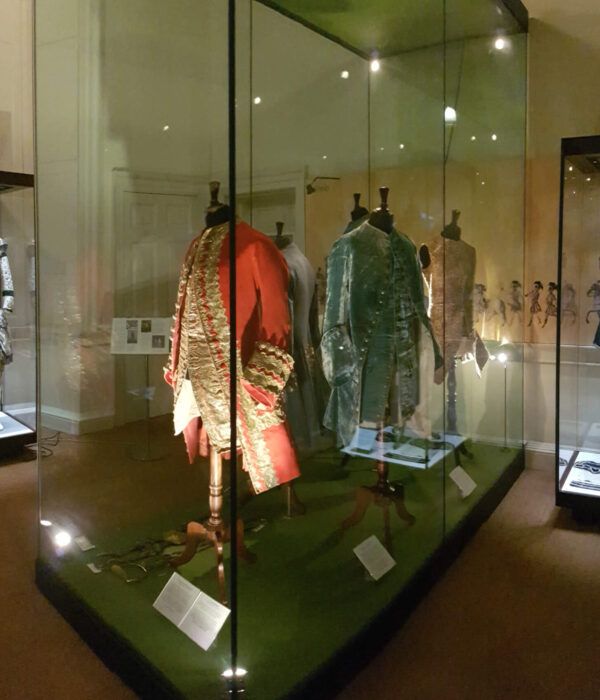
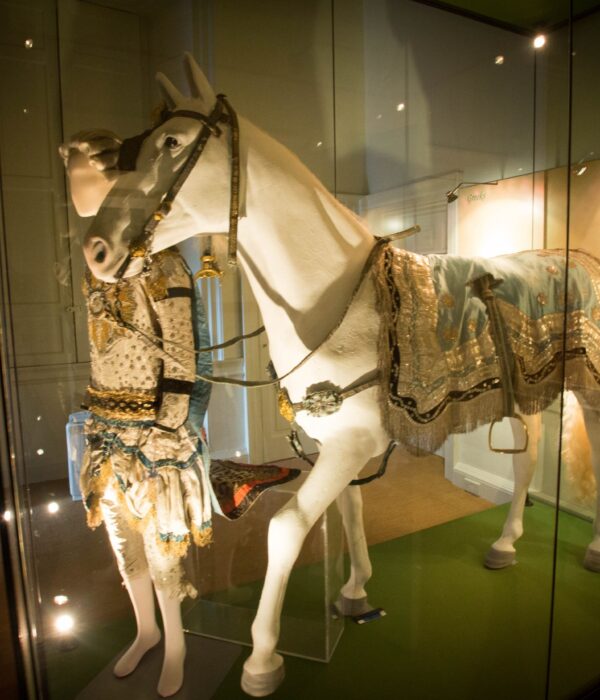
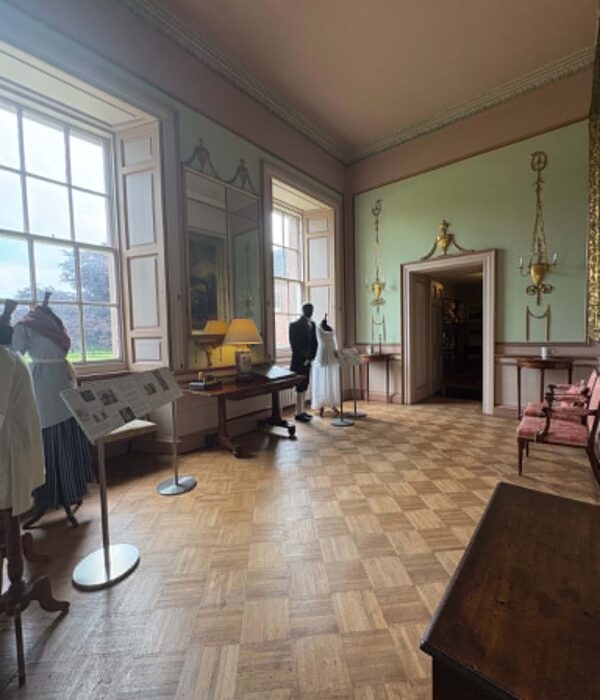
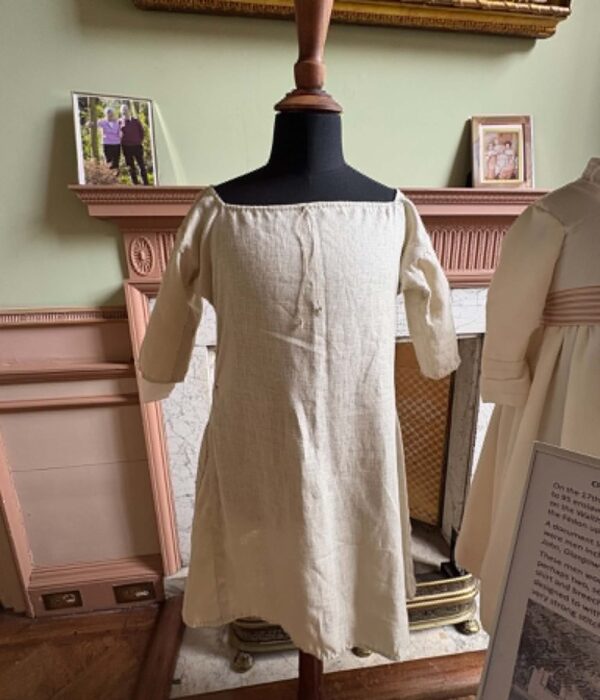
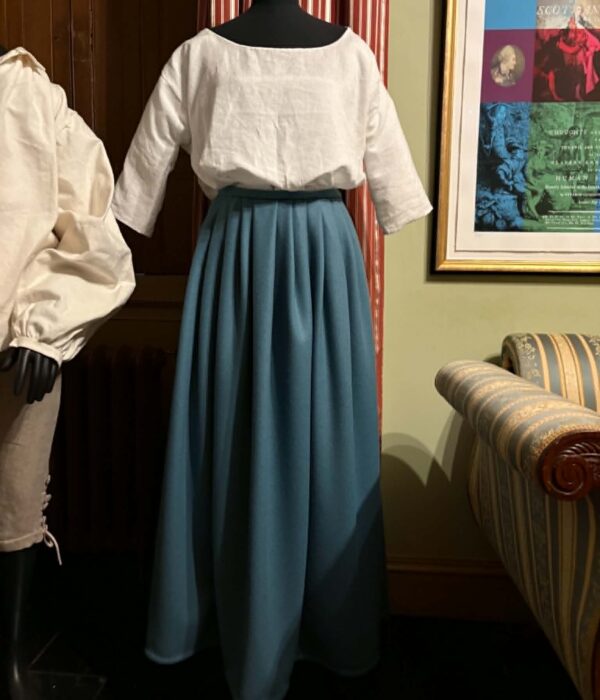
This is an exhibition space within the house, formerly the servery,  where we are able to show parts of our incredible costume collection. Currently on display is a selection of costume that Patrick Home wore on his Grand Tour circa 1740s-1750s.

Most notably a unique costume from the Berlin Court Carousel in August 1750- where Paxton displays the only known surviving costume.


Read More

Costume Corridor

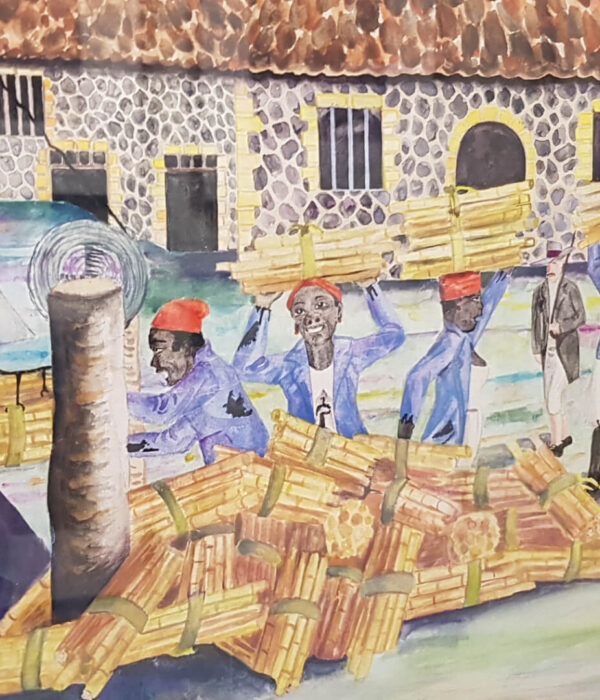
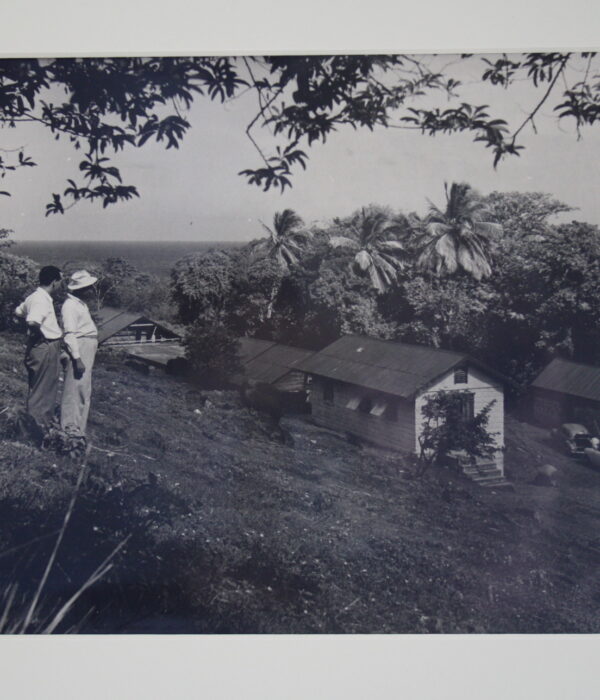
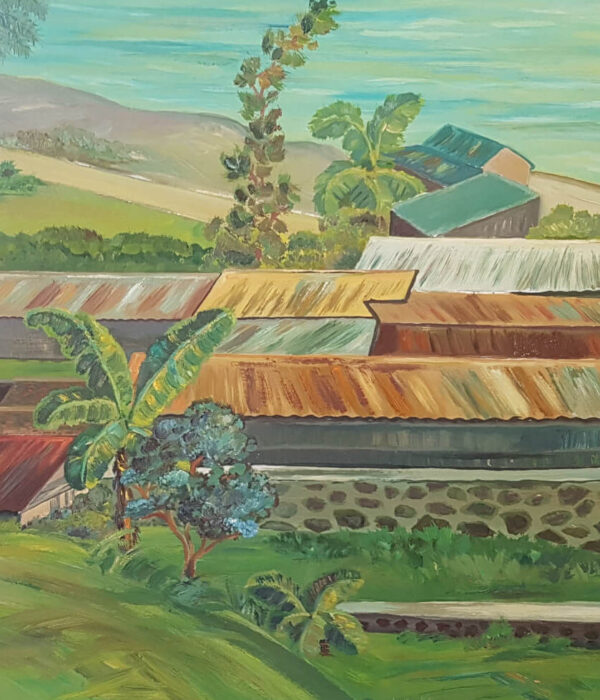
The main hallway to the Costume Exhibition Room and the Morning Room highlights artwork from our partnership projects as well as more recent photographs from Grenada and paintings by John Benjamin.

Read More

West Bedroom

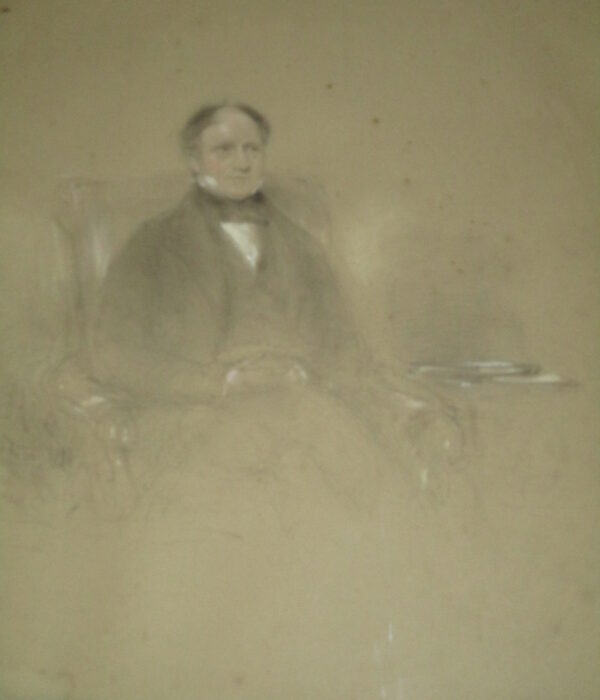
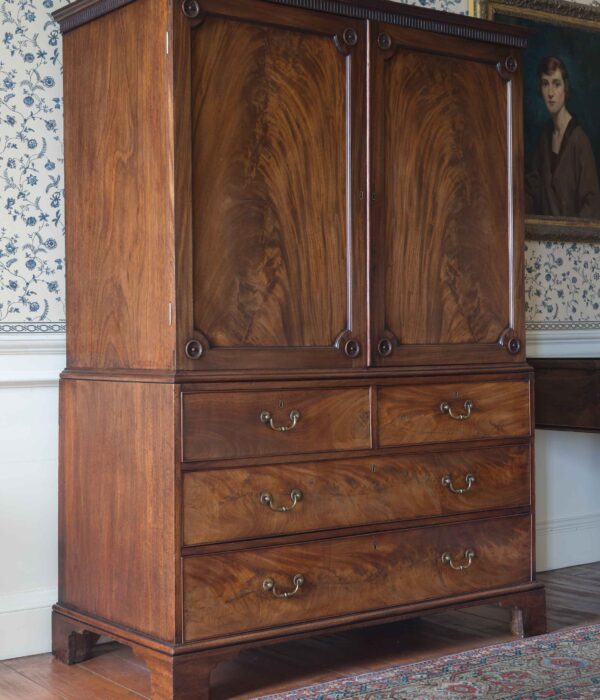
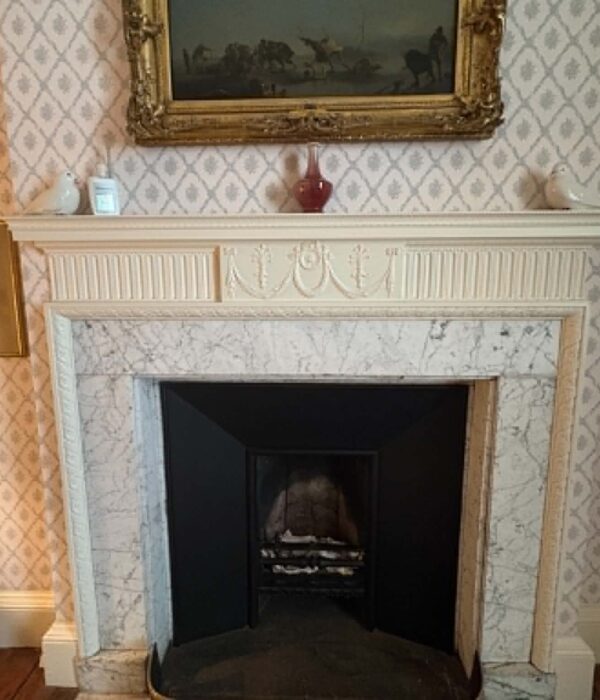
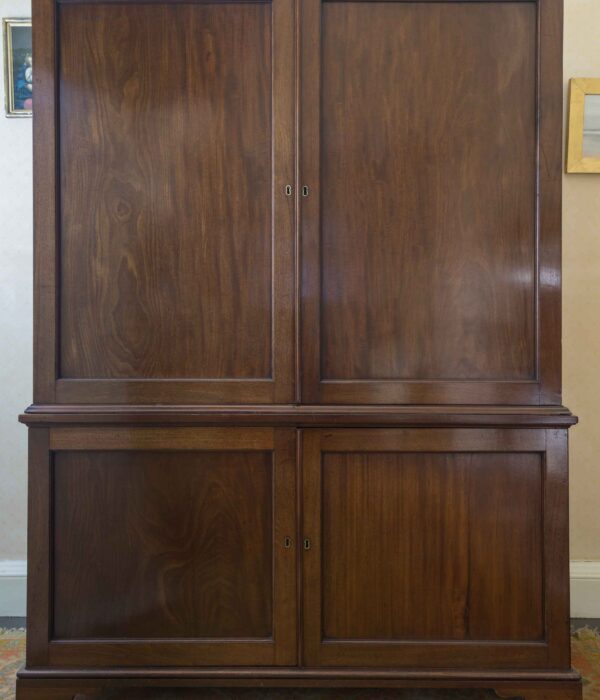
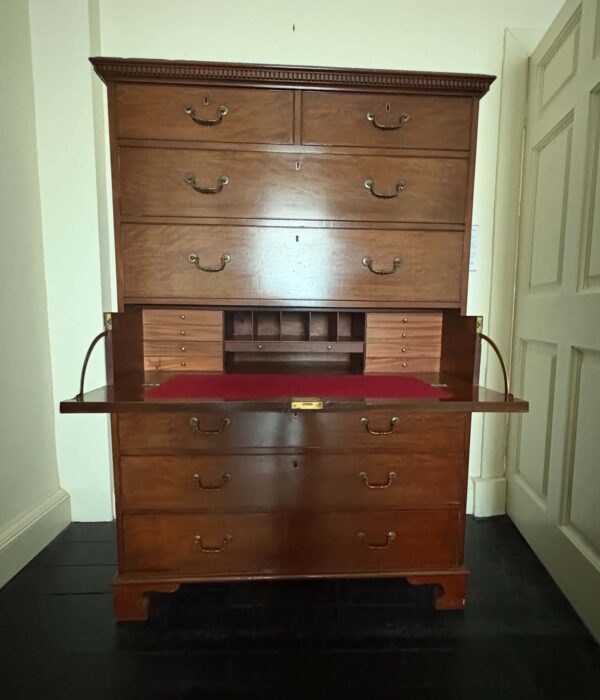
The West Bedroom is the first bedroom visitors see on the guided tour of the house. George Home used this bedroom when he lived at Paxton. In this room we will look in more detail at the clothes press, the fireplace surround and one of the chalk family portraits.

Read More

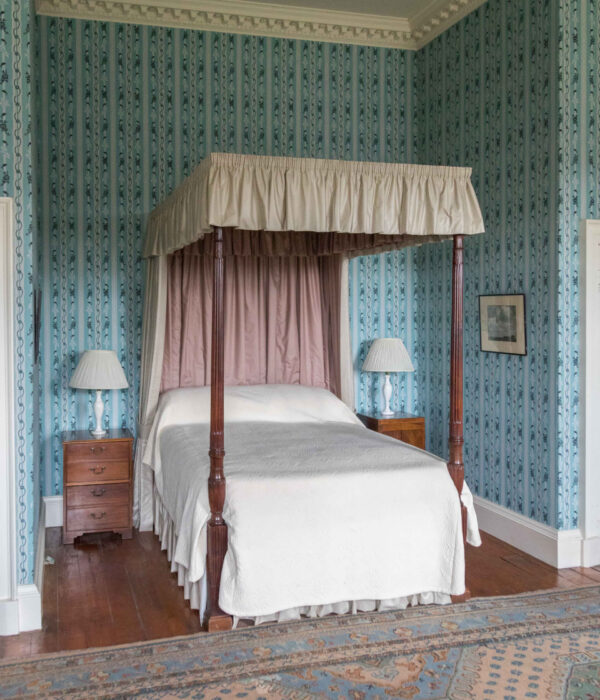
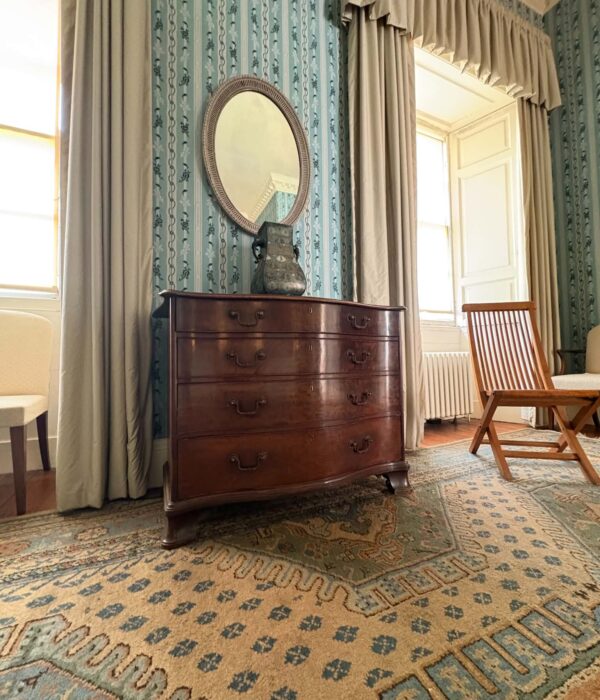
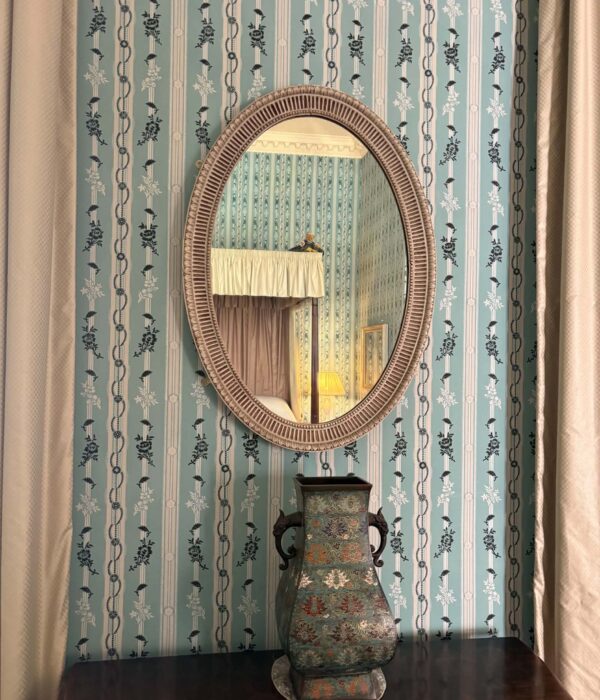
Alcove Bedroom

This room is called the Alcove bedroom because the bed was situated in the alcove to keep it away from draughts. In the 18th century this was a guest bedroom. In this room we look more closely at the Oval Pier Glass and the Commode Chest of Drawers.

Read More

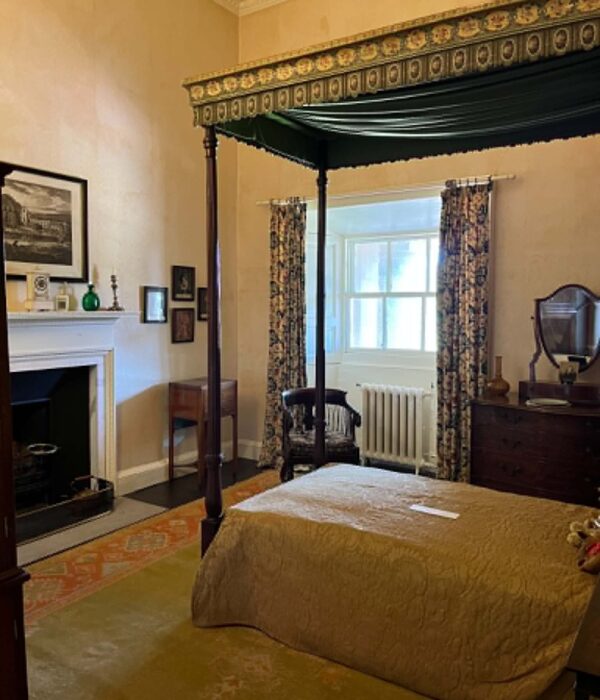
Portico Bedroom

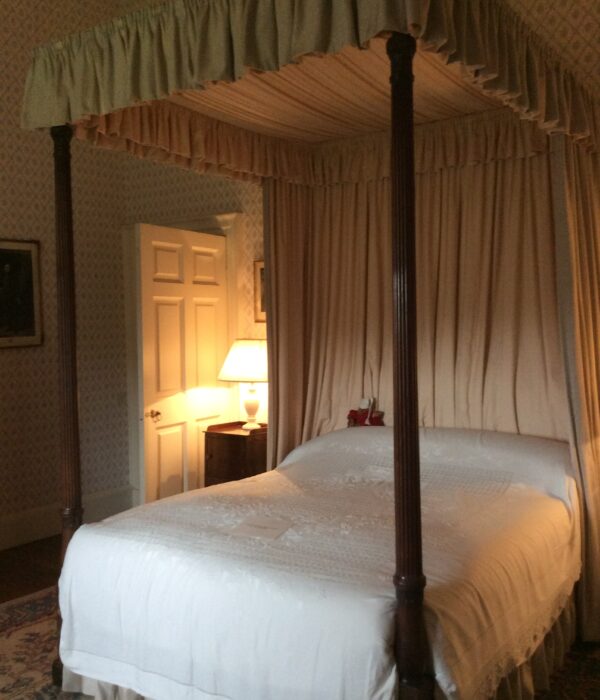
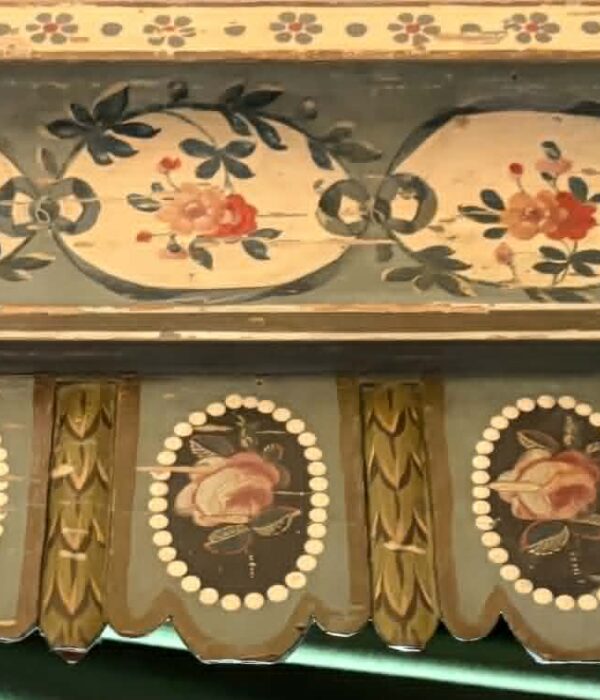
The Portico Bedroom is a smaller, but lovely room overlooking the front aspect of the drive and gardens, from under the impressive portico. In this room we find a very good example of a Chippendale Junior, japanned bed cornice and other furniture supplied by Chippendale.

Read More

Chippendale 250 Exhibition Room

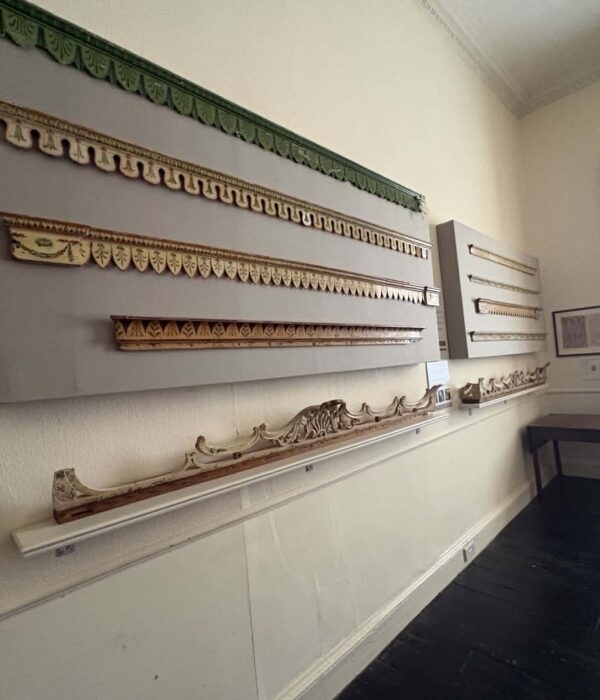
This room was originally used as the Dressing Room for the Principal Bedroom. In 2023, the Trust decided to use this room to showcase many Chippendale canopies, bedposts and key pieces of furniture as part of the Chippendale 250 exhibition through the house.
Now we are able to explore pieces that have been in storage, now conserved and displayed.

Read More

Principal Bedroom

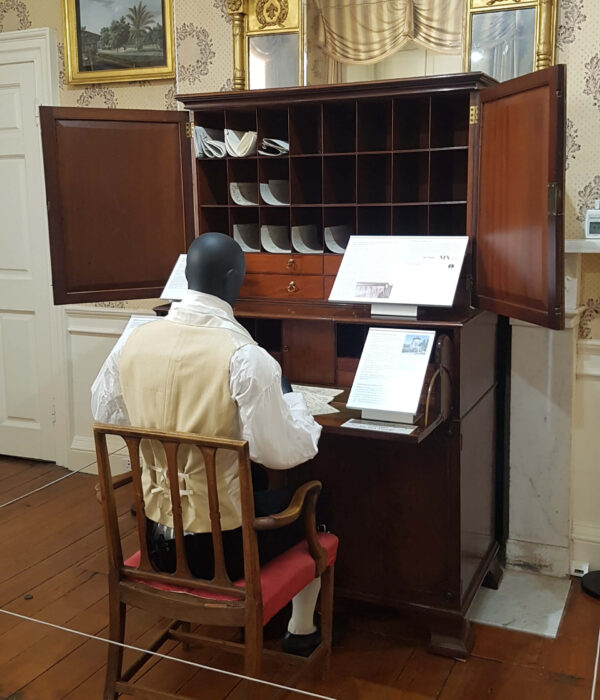
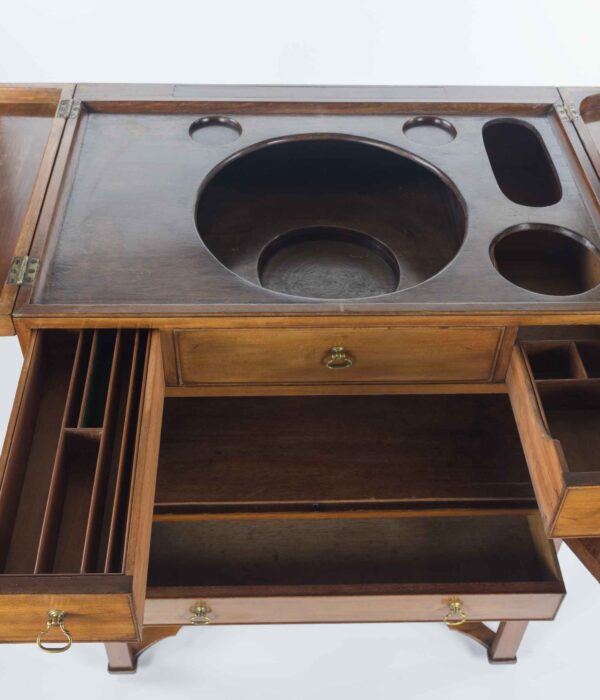
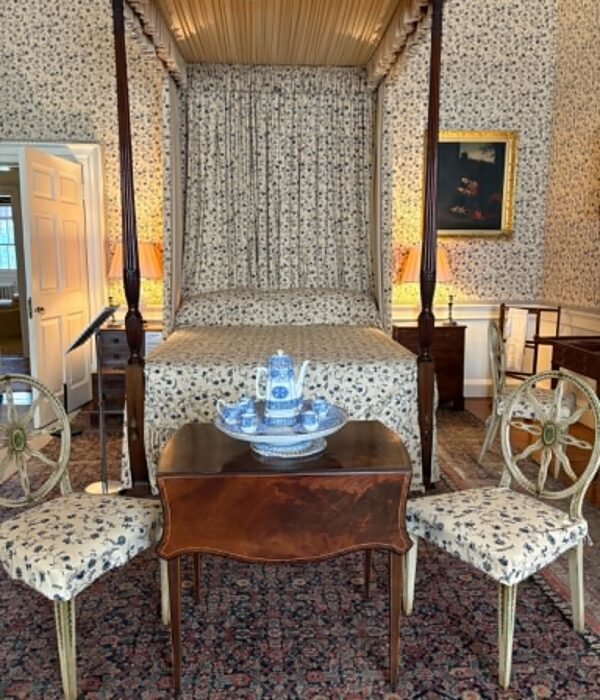
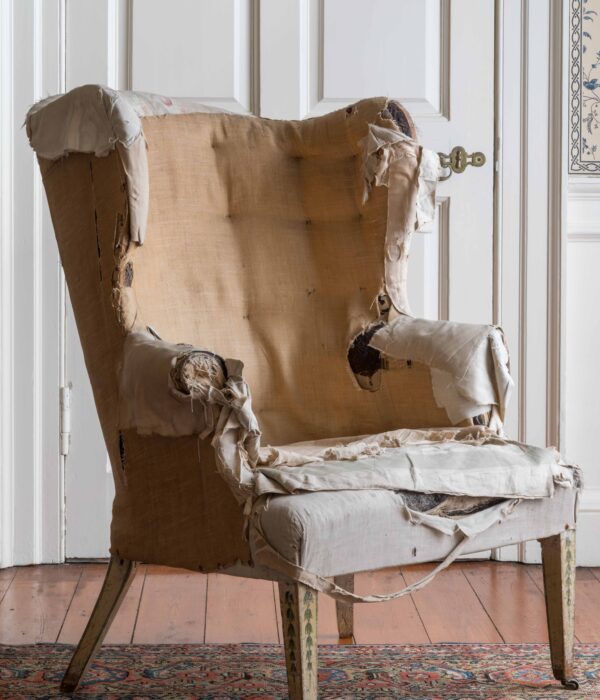
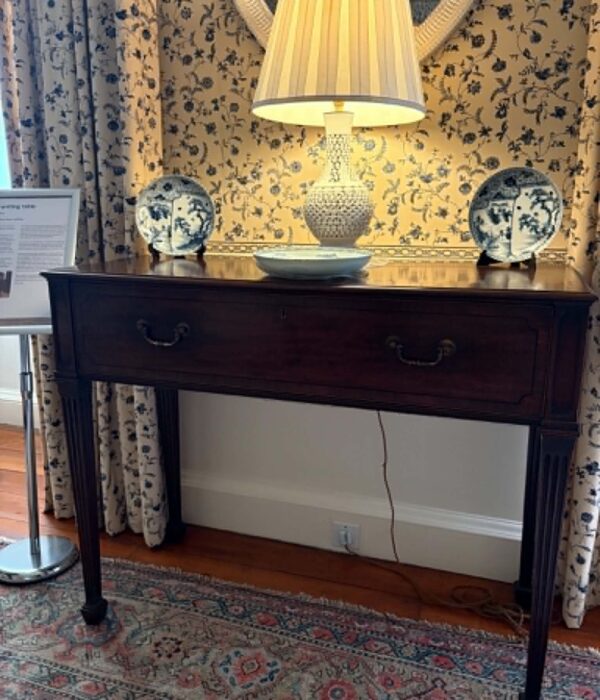
The Principal Bedroom at Paxton House has the finest Chippendale bedroom furniture. There are many notable features in this room including a special set of painted wheelback chairs. We have selected the Lady’s writing table, the Secretaire Writing Table and the Chippendale Easy Chair to look at in more detail.

Read More

Main Staircase

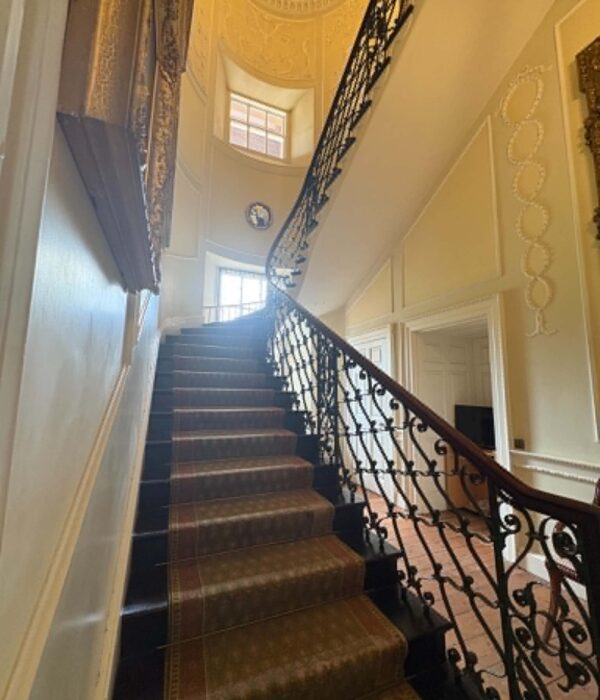
The essentially domestic scale of Paxton is nowhere better illustrated that in the main Staircase and Hall- here the main stair connects the public rooms with the principal bedrooms. Here, we see more ornate rococo style plasterwork by local man George Morrison.

Read More

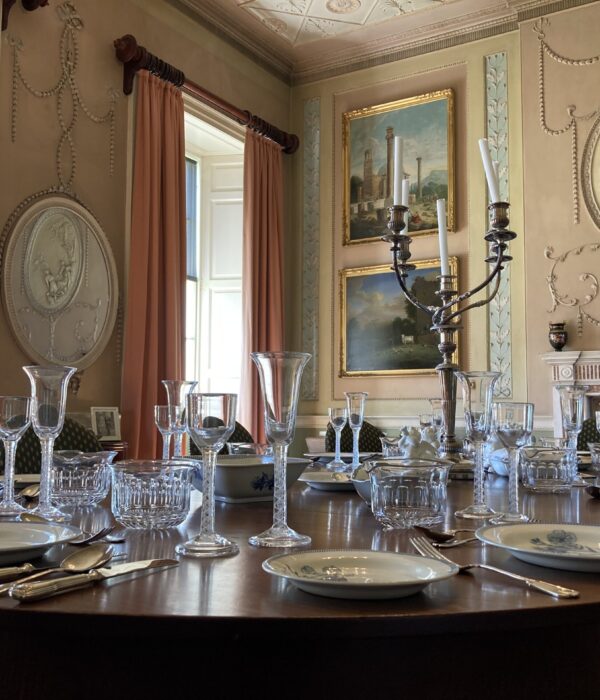
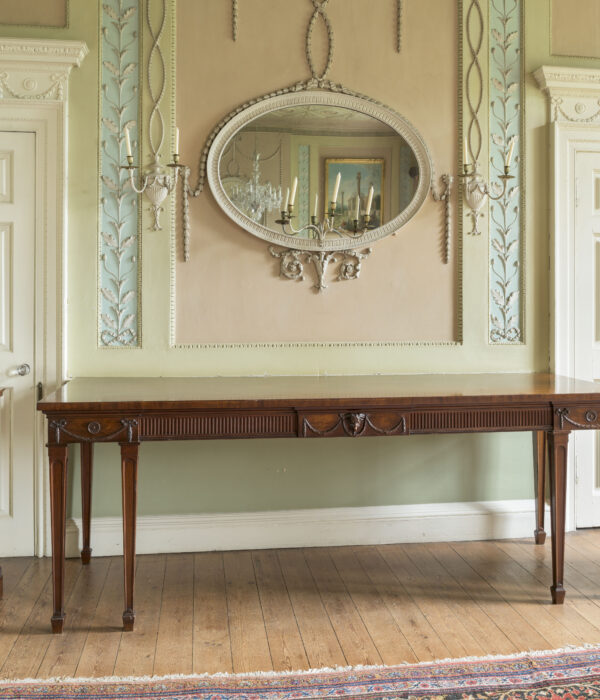
Dining Room

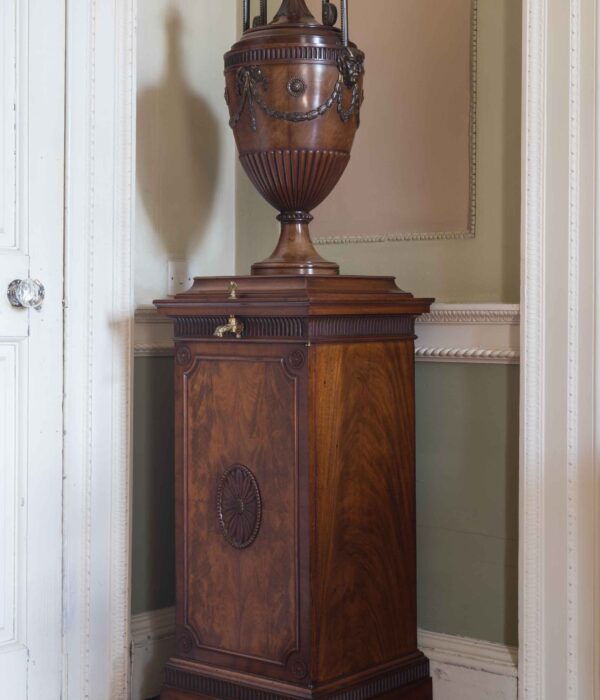
Many of Paxton’s finest pieces of Chippendale furniture are in the Dining Room- most notably the handsome sideboard and urns. This room is decorated with delicate plasterwork designed by Robert Adam.

Read More

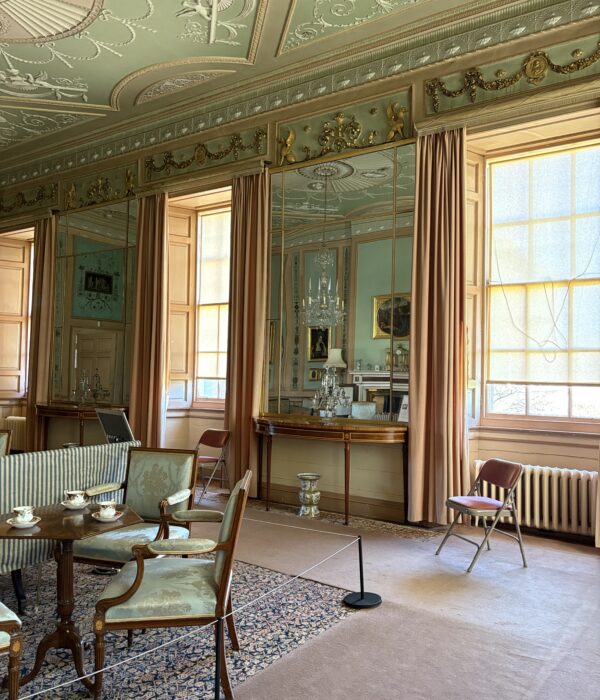
Drawing Room

The Drawing room at Paxton House is an exceptional room- with decorative plasterwork ceiling by Robert Adam, Chandelier by Robert Adam, French hand painted wallpaper and furniture by Thomas Chippendale Jnr.

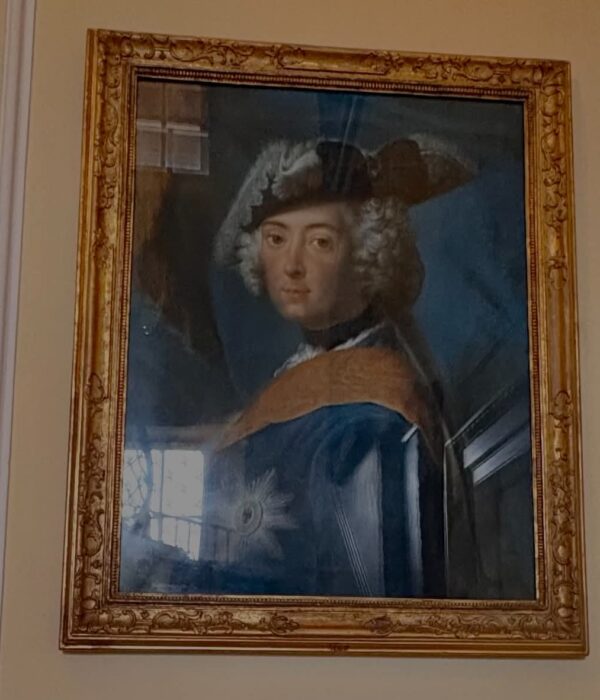
In this room we are exploring in more detail, two portraits and one piece of furniture.

Read More

Ante Room

An ante room is a small transitional space located directly before a larger, more formal reception area in a Georgian house. It served primarily as a controlled waiting zone where guests, servants, or visitors paused before being formally announced. Architecturally, these chambers acted as vital physical buffers that blocked cold drafts and preserved acoustic privacy between rooms. Despite their transitional nature, they were often highly decorated with artwork and fine furniture to signal the homeowner’s status and wealth.

Read More

Bust Room

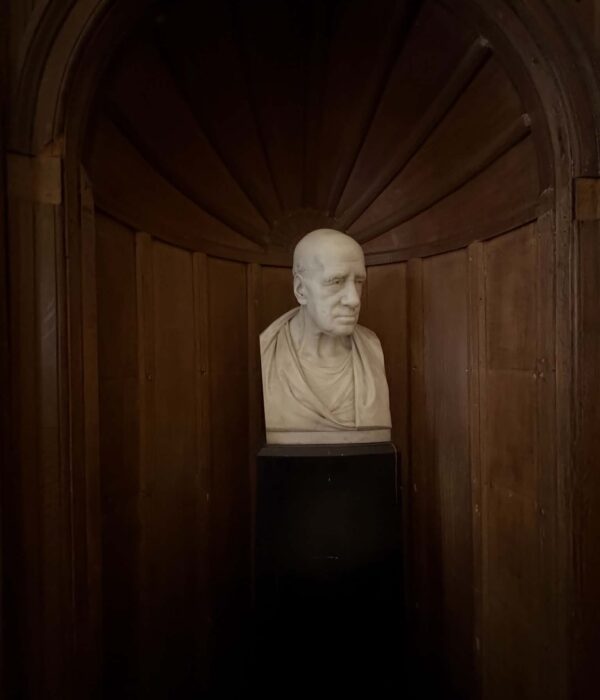
When Ninian Home died in 1795, his brother George inherited. George commissioned Robert Reid of Edinburgh to extend the house by adding a new library and picture gallery.
Robert Reid connected this new wing into the current wing.
This room connects the original architecture to the new rooms.

Read More

Library

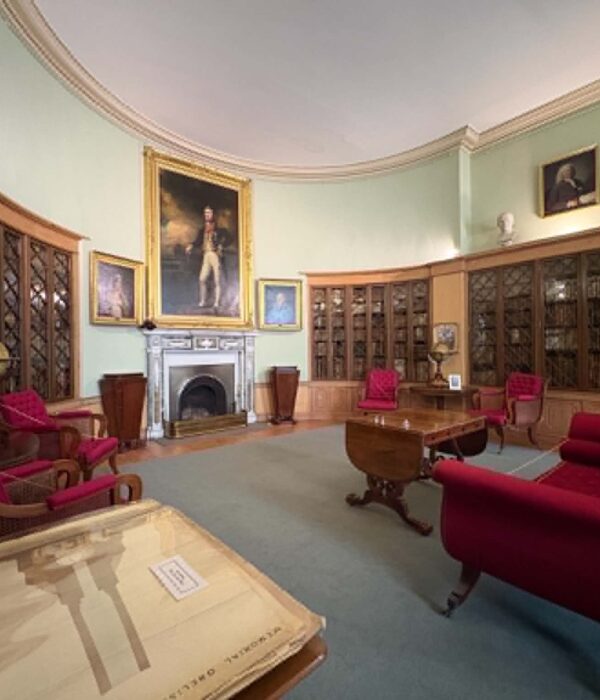
George Home inherited Paxton in 1795 and later inherited Wedderburn Castle shortly after. Here he found a significant number of books, paintings and antiques. He commissioned Robert Reid to design an extension for the collection and he commissioned William Trotter to design furniture for these rooms.

Read More

Picture Gallery (now Ballroom)
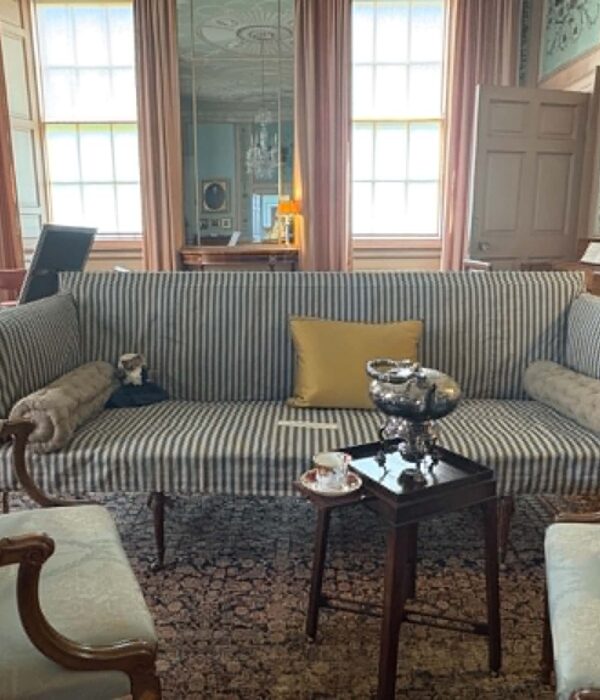
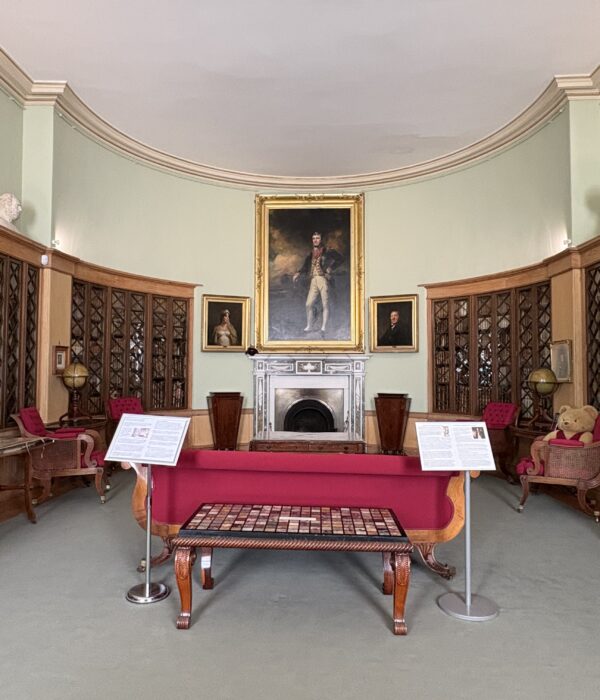
Built as the largest privately owned Picture Gallery in Scotland this is a magnificent room designed by Robert Reid as the grand culmination of the suite of rooms added by George.

In 2026, the room saw a significant transformation returning the space to a ballroom-a much lighter and brighter room with some of  Patrick’s paintings and marble specimens now transformed into furniture by William Trotter.

Read More