Author Archives: Hermione Hoffmann
Frederick the Great, King of Prussia (1712 – 1786), is an important figure at Paxton House even though he ruled a kingdom on the other side of Europe and spent most of his life fighting aggressive wars far removed from the peaceful woods of Paxton House. Would Paxton House even have been built without Frederick the Great?
An Education Abroad
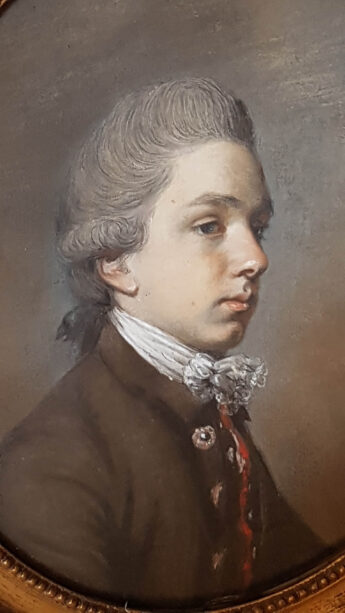 The stylish Palladian house that is Paxton, was designed as a home for Patrick Home, a young man who knew Frederick the Great well. At 19, Patrick had set off from his home in Scotland to attend the University of Leipzig to broaden his education. At the time, the University of Leipzig was one of the leading literary and cultural centres of Europe and it wasn’t long before young Patrick found his way to King Frederick’s court at Berlin and Potsdam. Although we remember Frederick the Great for his military successes, turning the small state of Prussia into a major European power, his legacy is equally important in the arts. He was impressively well read, a passionate connoisseur of music, art and architecture and a prolific writer of prose and verse. At his court, he surrounded himself with writers and musicians of talent. Patrick, out of reach of his family in Scotland, must have felt his education had truly begun.
Friends at Court
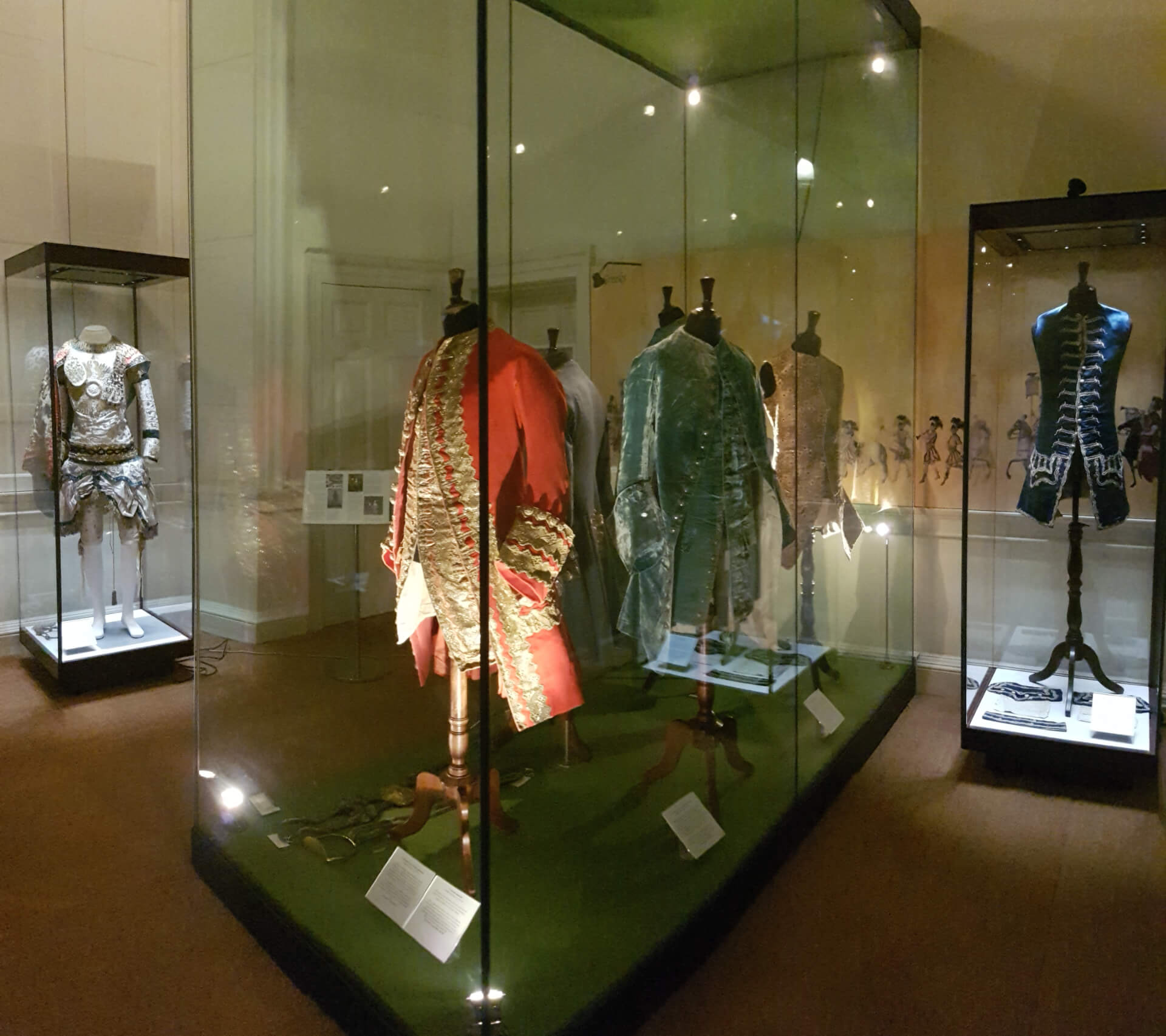
For Patrick, his two years in Prussia must have been golden days. For a start, he fell in love with a pretty young woman at court, Sophie de Brandt, popular for her intelligence and good nature. He was also on hand for one of the great parties of eighteenth century Europe – the Berlin Carousel of 1750, staged by King Frederick in honour of a visit from his favourite sister, Willhemine of Brandenburg-Bayreuth. Weeks of theatrical performances, banquets, promenades in illuminated parks, balls and fireworks culminated in a pageant, where four sets of six ‘knights’ competed against each other in a mock up of a medieval joust accompanied by choral music, each group led by a brother of the King. 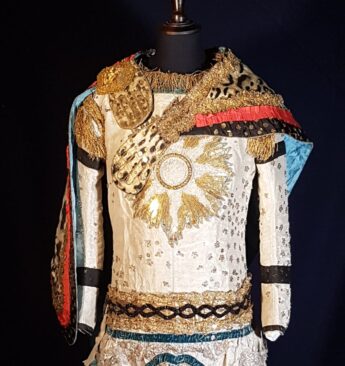 Patrick was one of the Carthiginian knights, riding next to his friend, Prince Heinrich of Prussia, younger brother of the King, who was about the same age. The Carthiginians faced knights dressed as Romans, Greeks and Persians. Their costumes were fantastical, both horse and rider bedecked in embroidery, gold, pearls, precious stones and plumes. Patrick kept his costume – it is still at Paxton House – the only one to survive from this legendary entertainment although we know how gorgeous they all looked because Frederick had sketches made for another of his sisters, Louisa, Queen of Sweden. The Carousel concluded with a masked ball and shortly afterwards, Patrick left for Italy. After all, he was in a quandary, he could not marry Sophie without moving to Prussia and taking his fortune with him, something his mother would certainly not approve. His eyes had been opened to the possibilities of an Enlightenment education and he was to spend the next few years in Italy and France where his taste for the finer things in life developed further.
Too Smart for Home
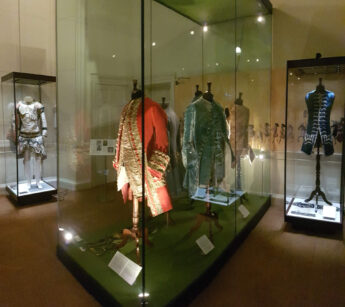
It was this European sophistication that Patrick brought back to Scotland when he came home and commissioned the building of Paxton House, choosing the latest Palladian style of architecture inspired by the villas of Andrea Palladio in Italy. The influence of the court of Frederick the Great must have been profound, certainly it was the beginning of a love of culture which was to stay with Patrick Home all his life. When he returned to Scotland, he brought with him a wardrobe that he never saw fit to wear again. If you would like an idea of the finery expected of a young man at court in Frederick the Great’s Prussia, take a look at the frock coats and waistcoats that Patrick wore while he was there in the 1740s; they are all on display now at Paxton House. Finest of all is the Carolingian Carousel costume which links us to the fine portrait of Frederick the Great by Rosalba Carriere which hangs at the foot of the main staircase.
Patrick Home’s costume collection can be seen on a house tour of Paxton House until the end of October. Book here.
Don’t miss the plant chosen by our volunteer garden team as their favourite in the Flower Gardens at Paxton House this month.
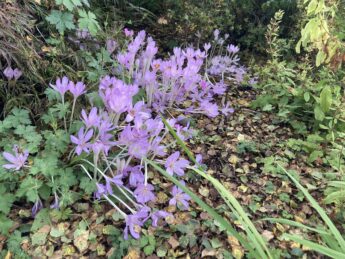
The mysterious lavender-purple flowers of autumn crocuses Colchicum autumnale are pushing up at the back of the border by the Lily Pool at Paxton this month. This British native, beloved of bees, is peculiar in producing flowers late in the summer before the arrival of its straplike leaves in the Spring, a habit that has earned it the common name Naked Ladies. The plant’s Latin name comes from the fabled land of Colchis, the destination of Jason and the Argonauts’ quest for the Golden Fleece in Greek mythology. Did you know that has been used since at least the 6th century as a cure for gout and colchicine is still prescribed by the NHS today?
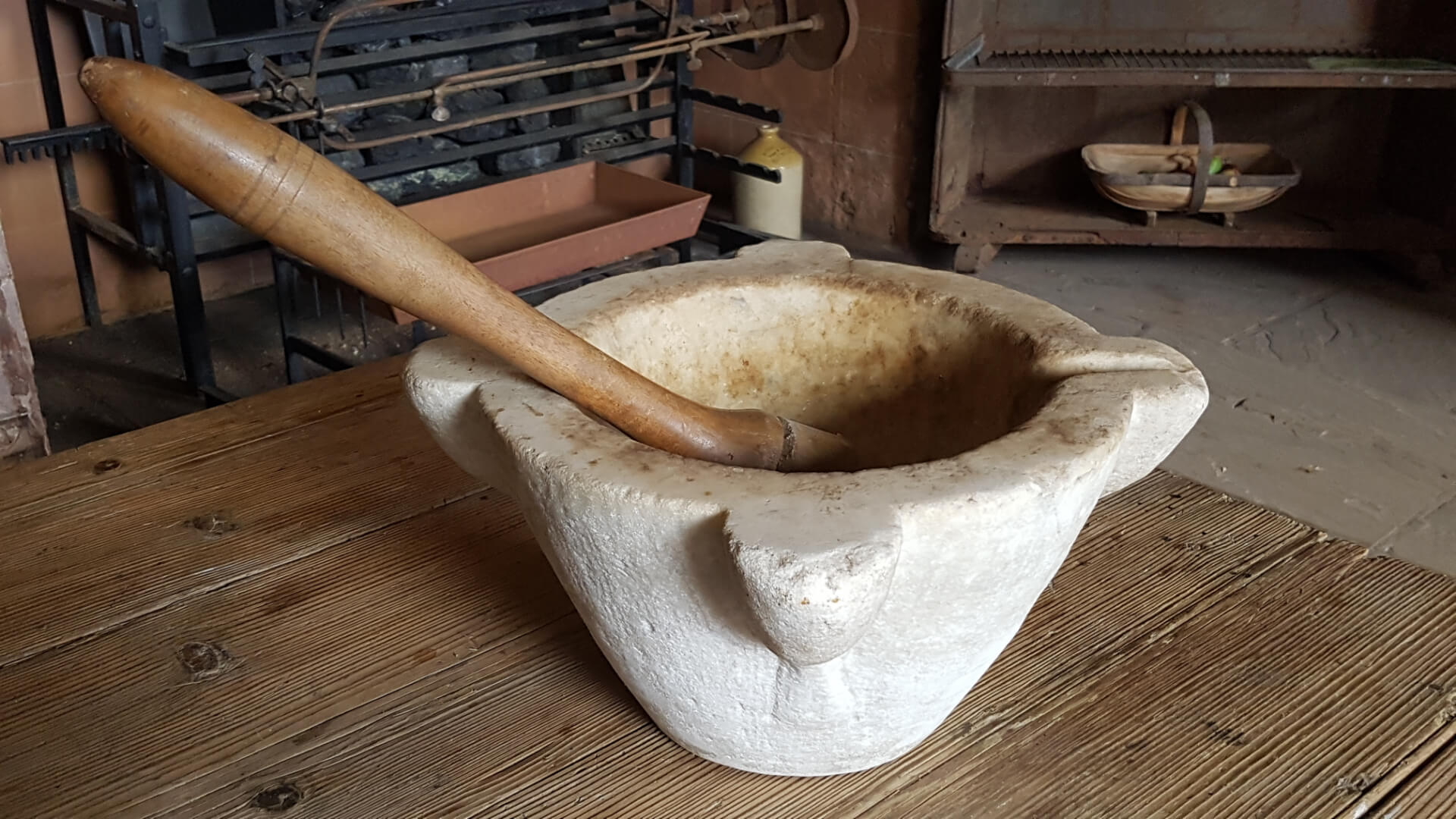
Paxton House is all about history and, of course, it is full of ‘old stuff’. For the first time, this year, we are hosting an antiques fair where dealers will come together to sell their wares – more old stuff – to you, the public. The first weekend antiques fair was really popular and we are expecting crowds to our second as well. Why? What is the appeal?
Visualising the Past
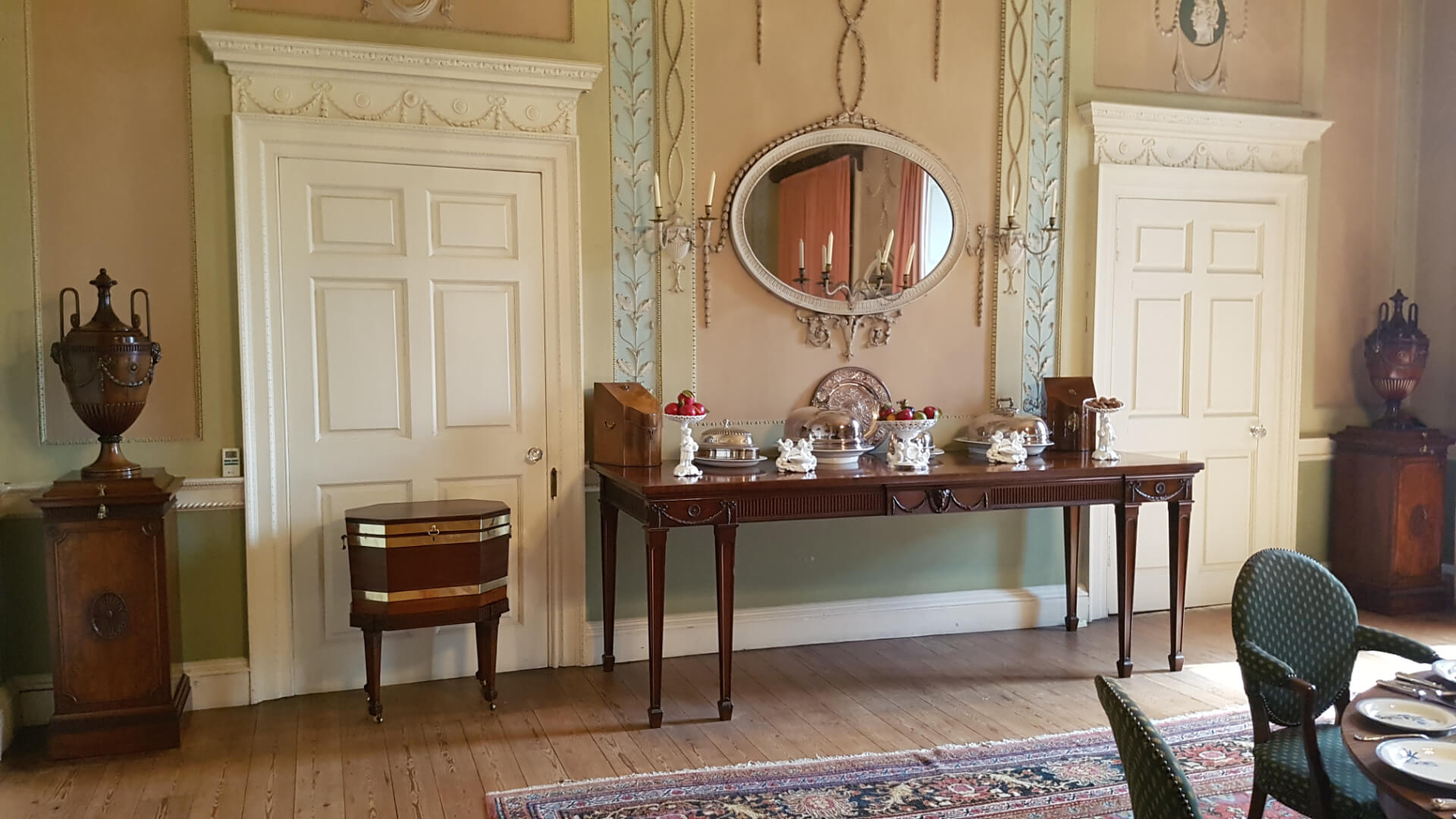
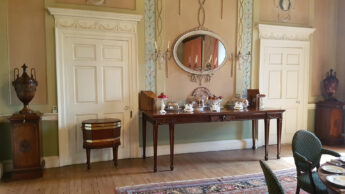 The ‘stuff’ that people used or treasured in earlier times gives us an unrivalled view into the past and buying antiques for yourself can bring a little of the past into your own home. Our visitors come to Paxton House for a whole wealth of reasons but one is because they can see antiques not just piled on stalls but left in situ, as if the family have just walked out. We are all drawn to this visual way of understanding how things worked in the past and, perhaps, imagining ourselves living in part centuries. It is fascinating to see how things have changed by viewing odd unfamiliar objects, like the cellarettes in the dining room where Ninian Home kept his wine in the 1770s, or the innovative waterwheel that lifted water from the Linn Burn up to the house for washing and baths. At Paxton, it is easy to imagine Ninian and Penelope Home seated at the table entertaining their guests or picture Penelope rising from her bed in the morning to look out of the windows overlooking the river Tweed. Seeing the now antique objects they used helps us visualise these scenes and finding a unique object to buy at an antique stall can connect you to your forebears.
Changing Attitudes
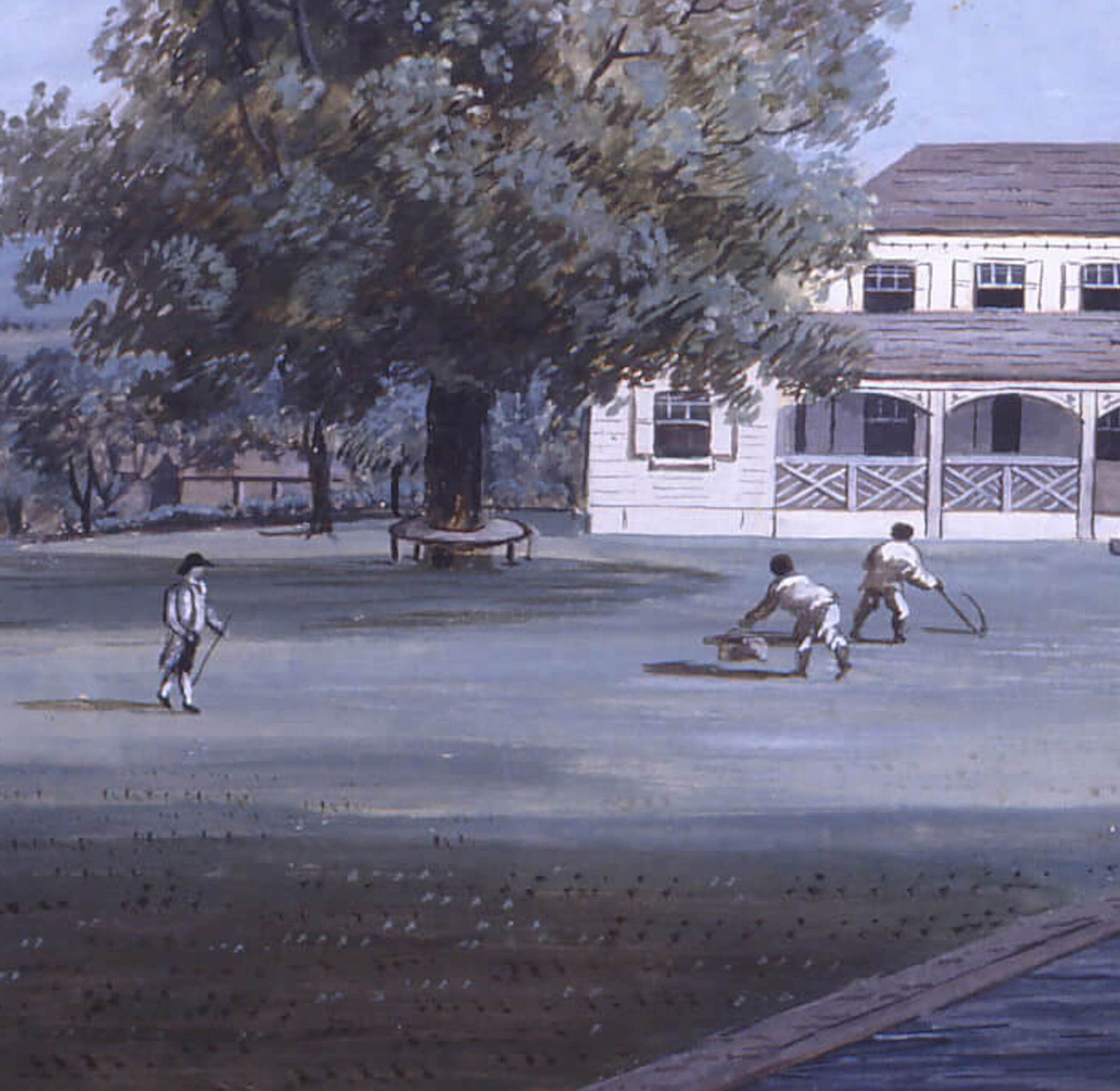
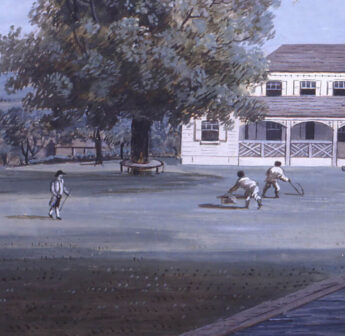 History can seem distant and unobtainable – people didn’t always have the same attitudes in the past. Few places bring you closer than Paxton House, where the unique collection of watercolour paintings of Ninian Home’s Caribbean sugar estates featuring enslaved people at work takes us straight into the uncomfortable history of slavery. The model ship in the Library, part of a fleet used to police the slave trade after abolition, is a symbol of changing attitudes in the next century. Our exhibition Caribbean Connections, Slavery & Paxton reflects our modern concern with the legacy slavery has left in the British Isles while our online tour Sugar and Slavery also explores the global connections of our Georgian past and makes sense of our colonial history for today’s more diverse visitors. An object from the past can often give you insight into the way people thought about the world in earlier times.
Quality and Style
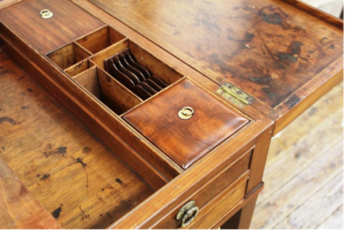
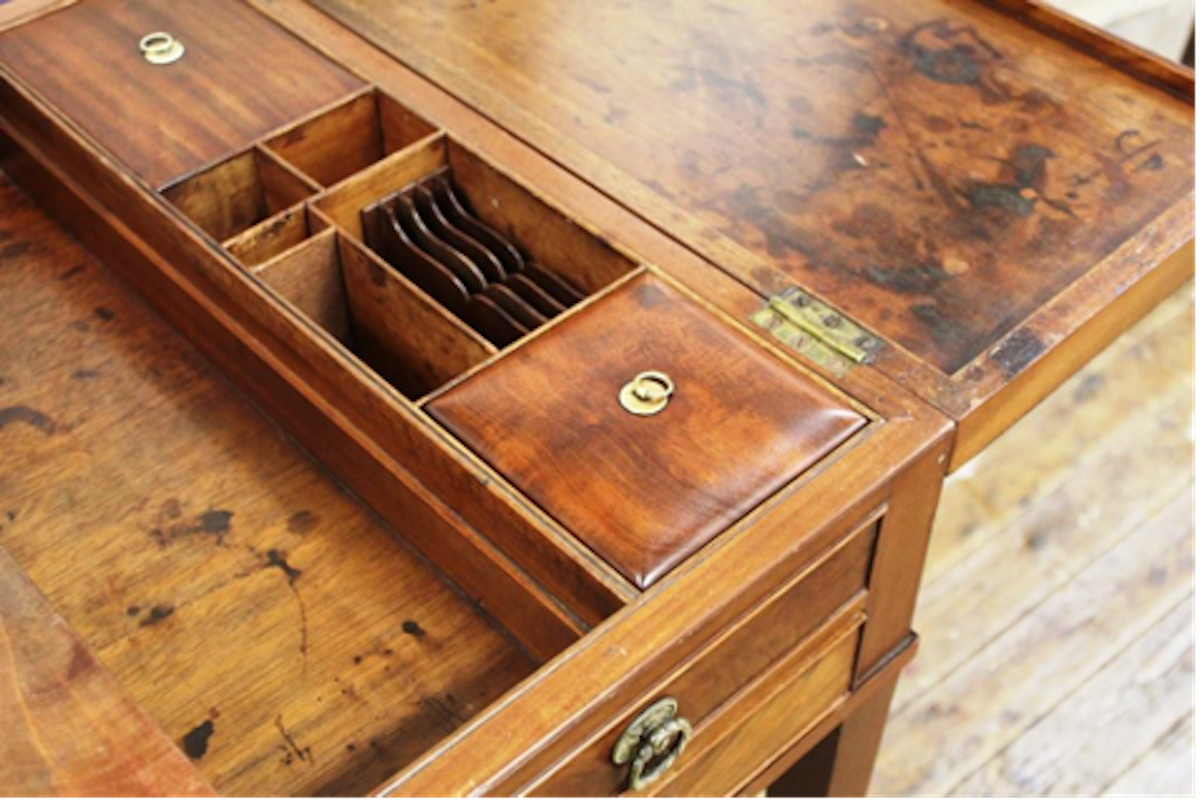
In an age of mass production, perhaps antiques hold most appeal for the quality of their manufacture. The furnishing and decoration at Paxton House used materials of the best quality and was undertaken by the finest makers of the time. While this season’s antique fairs may not offer rare items like the furniture made by Thomas Chippendale’s workshop for Ninian Home, there will be items made of quality materials, hardwoods, silver and brass, showing a quality that is rare in the modern flatpack world. What’s more, it is good to feel that you own something that has not been replicated in a billion IKEA loving households around the world.
The Pull of Nostalgia
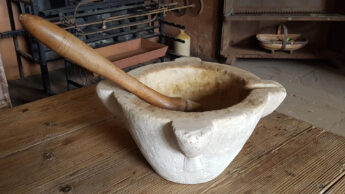 Furnishing our homes with antiques is often inspired by nostalgia. For a lost world, for a closer past, for a link with the family that went before us. Sometimes our visitors at Paxton House have a direct connection with the estate or with the family. Sometimes it is just that they visited as children or perhaps our wild woods connect families to nature at a time when it is under threat. We feel nostalgic for past fashions and changing tastes and the mix of antique and vintage items at our antique fairs give everyone a chance to tell a few stories from their personal history. Paxton House is an ideal environment to exercise a bit of nostalgia and the antiques fairs have given everyone a chance to take an antique or vintage object away with them and capture a bit of the past at home.
Find out more about the Paxton House Antiques Fair from 16th to 18th August 2024.
For flowers with a real wow factor, head for Paxton House Gardens this August and check out our oriental lilies. Our favourite are these beauties, Lilium ‘Muscadet’. Standing nearly a metre tall they dominate the border with their magnificent white flowers tinged with soft pink and scattered with pink spots. There is nothing quite so showy and, on a warm day, they fill the air with scent a perfumier would die for. They are perfect candidates for bouquets as well but we prefer to see them bringing some spectacle to the herbaceous borders.
For the second time this year, Paxton House and Grounds have been the victim of mindless vandalism. Last week, the fishing nets left to dry down on the riverbank were damaged so that in the following days the team of scientists, responsible for an important ongoing scientific study of salmon and seatrout stocks in the river Tweed, are unable to complete their planned research.
A threat to science
One of the pleasures of our summer is being able to share with our visitors the work of the River Tweed Commission at the Paxton Fishery which 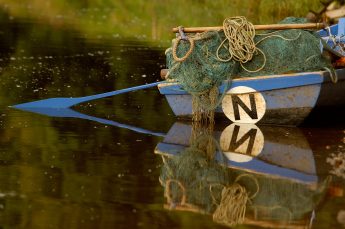 allows an opportunity to keep a regular check on the health and stock of two fish species which are under serious decline in the British Isles. The information gathered each summer provides invaluable data. The fish are not harmed, they are checked, measured, tagged and returned to the river to continue to the headwaters to spawn. The river Tweed has one of the healthiest stocks of salmon in Britain which makes the information gleaned vital to the health of freshwater fish stocks throughout the nation.
Re-enacting History
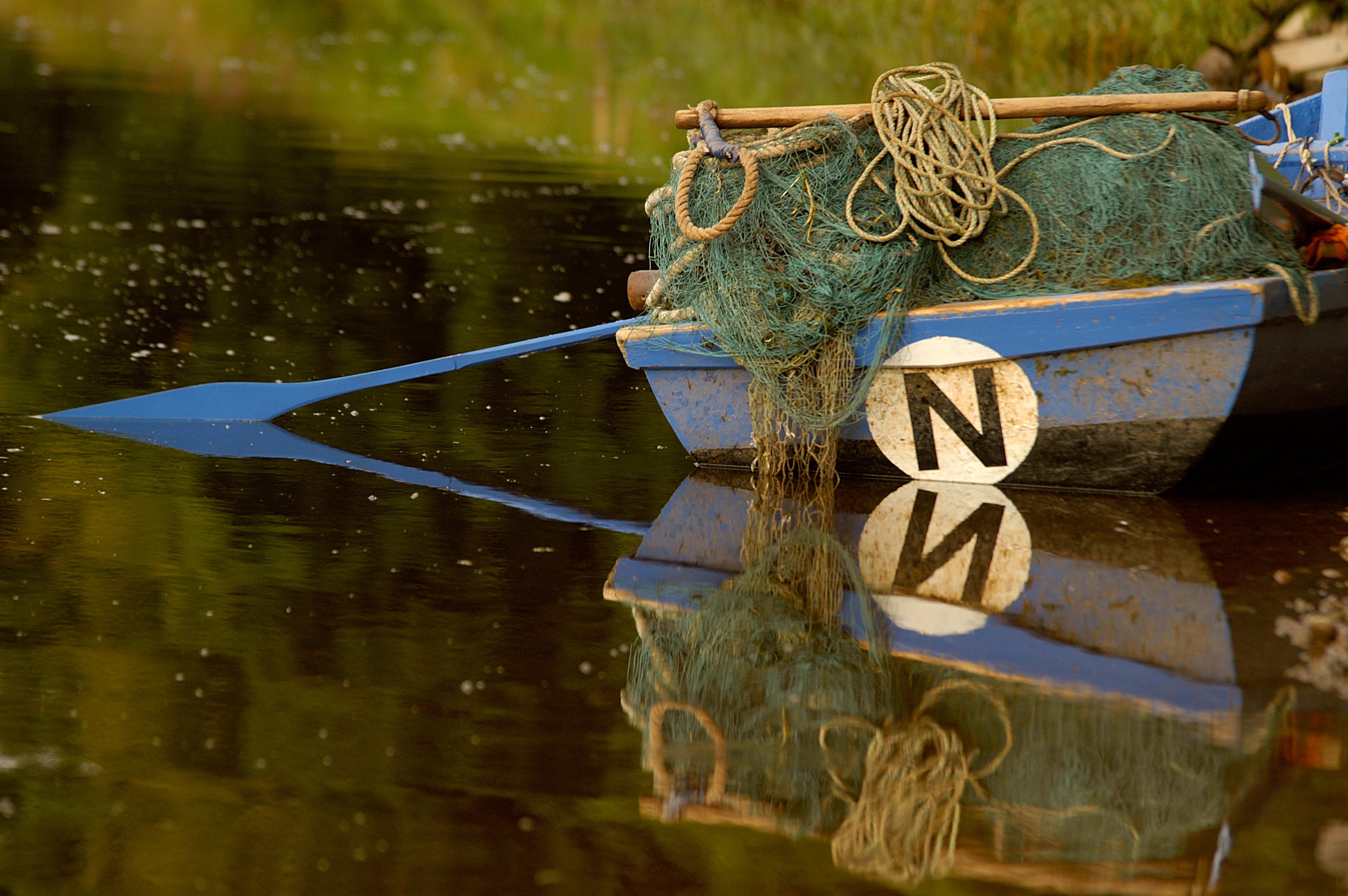
In addition, the techniques used by the team of scientists, who row a traditional wooden coble across the river and manoeuvre the nets through the water by hand, are those that were practised for centuries. It is a beautiful sight and we encourage everyone to come along to Paxton to watch from the bank as one of our regular summer activities.
Why?
We cannot imagine what motivates these vandals. Boredom? Misinformed animal activism? Frustration? But since it has happened twice this summer, we are concerned that it offers a serious threat to the continuation of the River Tweed Commission’s research. The Paxton Trust is proud to be able to host this study, not just for the importance for our increased knowledge of the wildlife of our river but also for the historic relevance of re-enacting a lost fishing activity which was once a major economic activity for the communities along the Tweed and for Berwick-upon-Tweed.
Read more about the Paxton Fishery
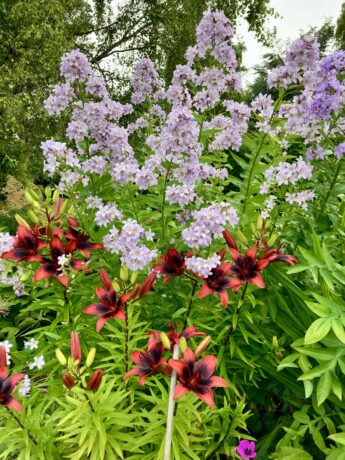
We give the herbaceous borders a sense of flow and structure with repeated groups of tall campanulas at Paxton House Gardens in July. The massed bell flowers of Campanula lactifolia ‘Prichard’s Variety’ add grace and structure from the back of the border growing up to 1.2 metres tall. Their pale lilac-blue colour is the perfect foil for other July flowering perennials, particularly the silver stems and white and magenta flowers of Lychnis coronaria. This year, we particularly love the contrast between clumps of campanula flowers and our striking red and black Asiatic lilies, variety ‘London Heart’. Campanulas are very undemanding and will grow in sun or partial shade and have the added bonus of not being popular with deer or rabbits. Well sheltered by walls, ours tend not to need much staking but they can be vulnerable to wind damage in more exposed sites. They’ll keep flowering all month so now is a great time to come and see them.
If you are seeking a peaceful haven away from the turmoil of this month’s general election, it would be hard to find somewhere that seems more removed from politics than Paxton House. Seek solace in our peaceful grounds and in the healing power of nature or find a different perspective by delving into history on a tour of the house.
Don’t be fooled though, politics has not always been far from our doors. In the early days of Paxton House, Patrick Home of Billie, who built our Palladian mansion, was MP for Berwickshire for a dozen years from 1784 to 1796. Patrick was a supporter of the new Prime Minister, William Pitt the Younger, and an advocate of parliamentary reform. This made him a Tory in eighteenth century terms, although the Great Reform Bill was eventually passed by a Whig government in 1832, twenty four years after Patrick Home’s death. It was this bill which gave all middle class men a vote and reorganised the country’s 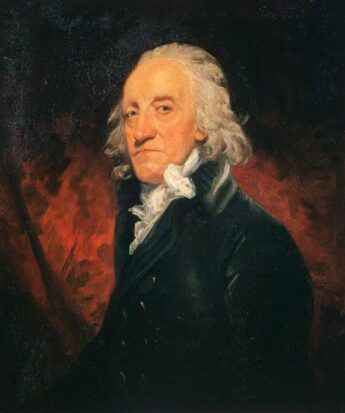 constituencies to reflect population shifts into industrial towns. Patrick Home had avoided politics up to this point and his sudden enthusiasm for the voters of Berwickshire may have been partly inspired by his wish to create local influence for his cousin Ninian who was busy establishing himself as a plantation owner in the West Indies. Ninian hoped to advance himself by building a profitable business growing sugar using the enforced labour of enslaved African people, eventually earning enough to purchase Paxton House. His cousin Patrick meanwhile had secured the patronage of Henry Dundas, a central figure in the Scottish Enlightenment and the man who wielded the strongest political influence in Scotland in this period. It was the relationship with Dundas which helped Ninian Home to become Governor of Grenada in 1792. In his later years, Patrick was something of a recluse and, if he hadn’t been persuaded by his extended family, would probably have resigned before the 1790 general election. When Ninian Home was killed in an uprising on Grenada in 1795, Patrick Home gave up his seat having voted against the abolition of slavery. He had, however, done his duty as an MP; a contemporary wrote to reassure him, “I never heard of any murmur or even innuendo of your having fallen short of your duty as our representative.”
Paxton House was briefly touched by politics in 1820 when Sir David Milne, whose fine portrait by Henry Raeburn hangs in the Library today, spent £5000 standing for election as MP for Berwickshire. He briefly held office but his election was overturned the same year because he had delayed the vote in order to wait for a steamship carrying supporters from London. His wife, Agnes wrote, ” I feel relieved today to know that this election is over, and you are no longer MP. As to the money, let it go, we can do without it.” Despite these words of comfort, he continued to dabble in politics, with the support of George Home of Paxton, until 1835, although he never succeeded in being elected to Parliament.
 Another century would go by until another member of the Home family of Paxton House would become embroiled in politics. John Home Robertson was brought up at Paxton House in the 1950s. He stood for parliament as a Labour party candidate for Berwickshire in the 1978 general election. He remained in the House of Commons until 2001, winning six elections for Berwickshire and the new constituency of East Lothian. John was a long time campaigner for Scottish devolution and stood as an MSP from 1999, where he was Deputy Minister for Rural Affairs. He retired from politics in 2007. Inheriting Paxton House on the death of his mother, John Home Robertson decided, in 1988, to set up the Paxton Trust and give his historic family home and its remarkable collections to the nation. He remains an active Trustee.
The survival of Paxton House, with its unrivalled collections of Chippendale furniture, eighteenth century costume and its national art collection, reminds us all that this nation has something more to offer than politics. Now is a great time to explore our heritage or just get away from all the argument. Visit us to enjoy the peace of nature on the banks of the river Tweed in Paxton’s eighteenth century landscape. We’ve put politics behind us.

The river Tweed is the most productive salmon river in the UK with some of the highest populations of Atlantic salmon and sea trout in the country. At Paxton House, the River Tweed Commission run a specialist netting station which monitors the health and size of the fishery. Through the summer, visitors to Paxton House are invited to take a privileged view of the netting activity, stepping back into a past world when salmon fishing brought wealth to communities on the Tweed and in Berwick.
We are please to announce that after the vandalising of our nets, salmon netting at Paxton will resume on Thursday 4 July.
Following the salmon
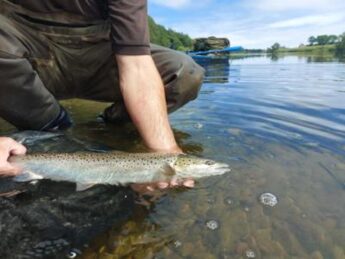
Atlantic salmon are spawned in the upper reaches of the river, spend around 4 years growing in the clean fresh water of the Tweed before heading downstream and out to sea. In the sea, adult salmon range widely and, once mature, return to the river of their birth to spawn. Adult salmon in the river Tweed are not feeding but passing through, intent instead on reaching their spawning grounds and completing their life cycle.
Traditional fishing at Paxton
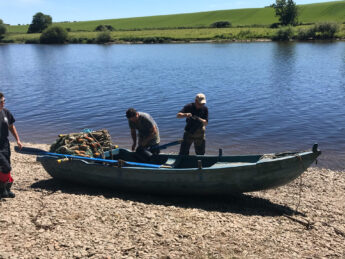 At Paxton, the adult fish are caught in a net trailed between a traditional wooden rowing boat (coble) and a man walking down the bank, a practice followed here for centuries. Today, the salmon are landed, transferred to a holding tank, where they are weighed, measured and tagged before being returned to the water to continue their migration. The information gleaned helps the River Tweed Commission (RTC) learn the condition and numbers of fish and how long they have spent at sea. Tagged fish may be caught by anglers further up the river which also allows the RTC to monitor the impact of angling on fish stocks.
Salmon populations in Trouble
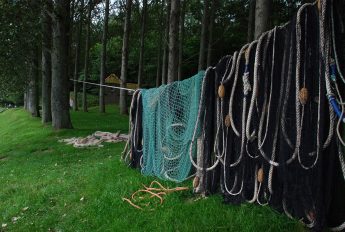 Although the river Tweed is proving an important stronghold for salmon and sea trout in Britain, populations of both fish in our rivers have been in sharp decline since the 1970s. The work undertaken by the River Tweed Commission at Paxton House is proving vital in providing up to date information to aid planning decisions. The data collected at Paxton helps determine why fish stocks are declining and devise strategies to maintain the quality of the water in the river, which is currently at an all time low.
How it once was
The Paxton Netting Station is the last survivor of 84 netting stations on the river Tweed which operated at the peak of the netting industry in the late 18th century, when it employed as many as 300 people. It is a rare privilege to be able to see this traditional fishing activity being re-enacted for conservation purposes at Paxton.
Check dates and times for Netting for Salmon in 2024. Please note that the times are dependant on tides and may take place in the evening.
Read more about the fascinating history of the salmon industry on the Tweed.
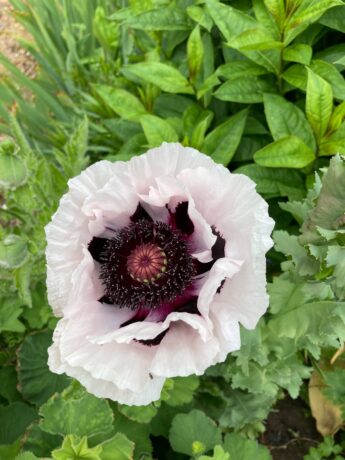
Poppies are one of the most striking plants in the border in June at Paxton House. We love the giant oriental poppies (Papaver orientale) with dark bases to their petals; these scarlet ones are ‘Beauty of Livermere’. They are cousins of the familiar field poppy (Papaver rhoeas) but so over the top they could audition for Ru Paul’s Drag Race. There are several cultivars in the borders at Paxton House; another favourite is the white and purply black flower called, ‘Royal Wedding’. The attractive serrated bristly leaves add texture to the Spring border but will die away after flowering, giving us space for later developing plants to take us into Autumn. Like their wild cousins, these poppies are not the best flowers for picking but wait a bit and the dried seed heads will look marvellous in flower arrangements. Book a gardens ticket here.
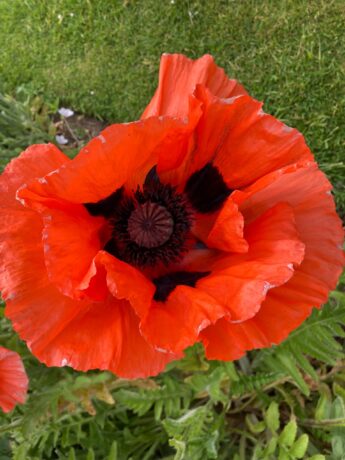
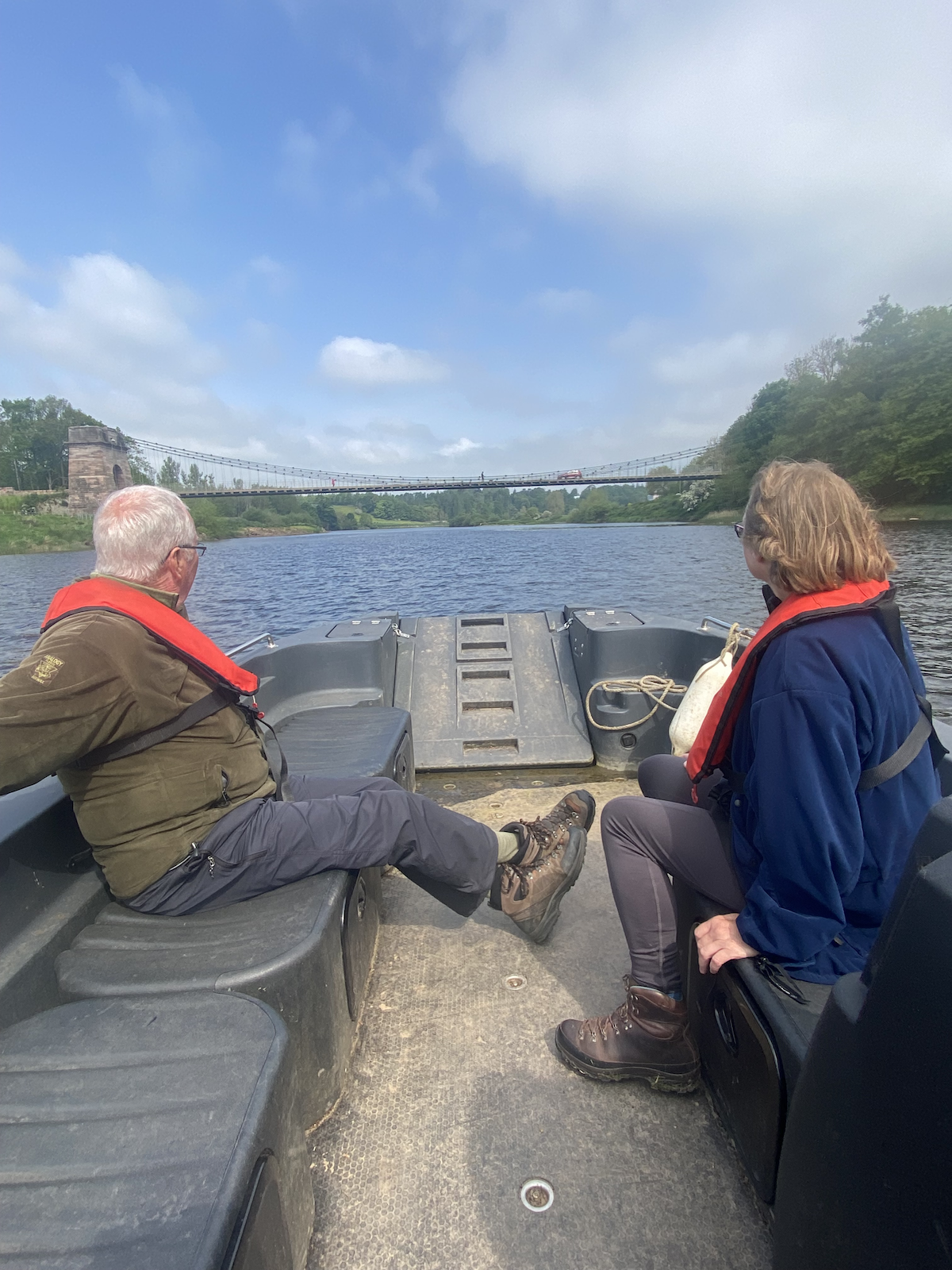
Are you looking for an unusual treat that appeals to all the family this summer? One that will calm your soul, teach you something new and fill your lungs with fresh air? Then book a boat trip on the river Tweed from Paxton House.
A bit of boat history
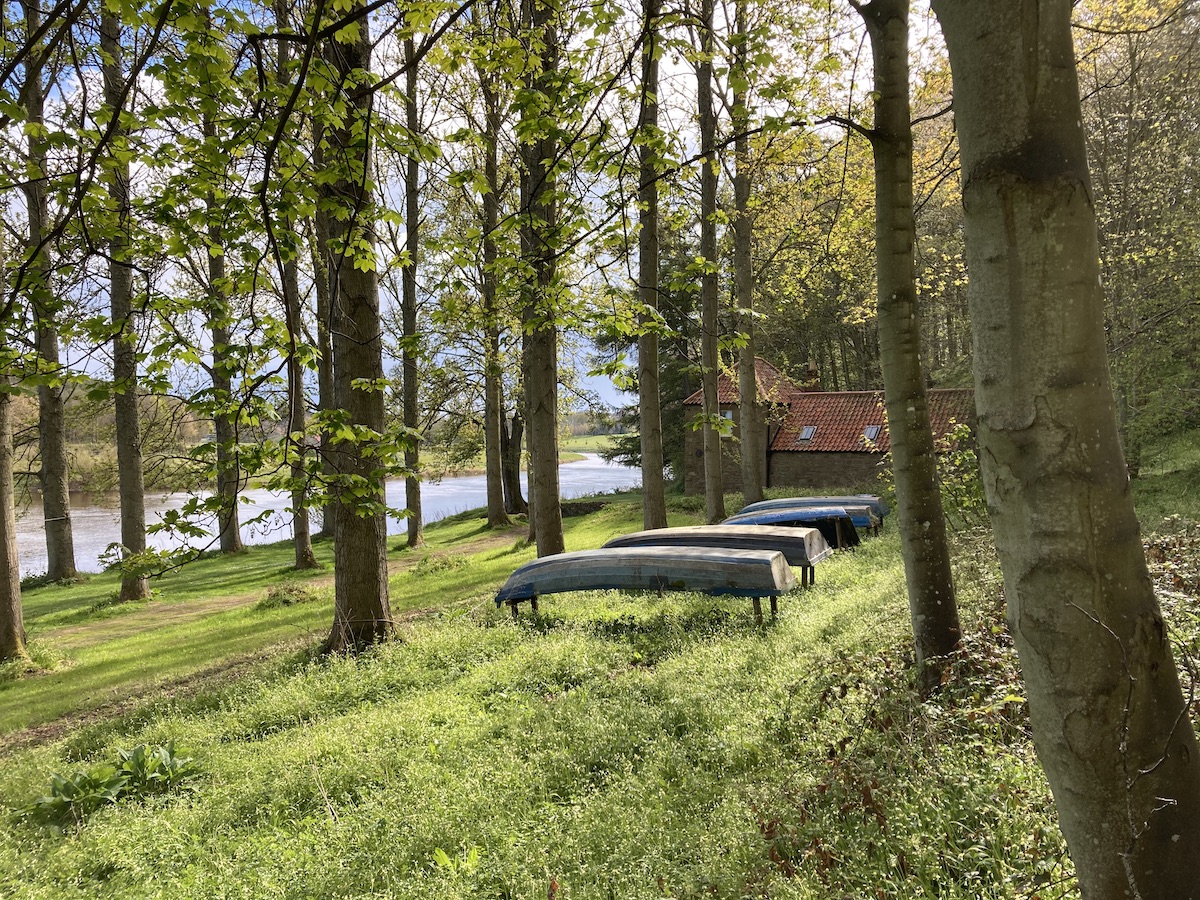
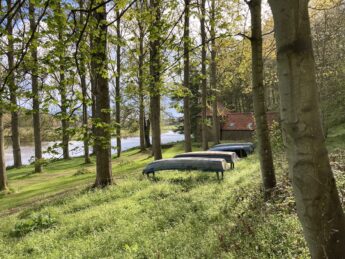 You start off at our boathouse down by the stately river Tweed where a line of traditional clinker-built cobles are laid out to dry in the sun. Cobles are the boats that plied the Tweed for centuries carrying people across the deep water of the river, helping fisherman haul in nets full of salmon, part of the industry which was the life-blood of the area for centuries, and carrying the ghillies who guided Victorian sport fishermen to a sure catch. The coble is an ancient design, inspired by the high prow and flat keel of Viking longboats and first mentioned in the eighth century Lindisfarne Gospels. They are still used here by the Tweed Commission to monitor fish stocks each summer.
What will you see?
The boat you alight on when you book a Paxton boat trip will be a more modern and much more comfortable 5.3 meter rigid boat with an outboard to speed you through the water. You’ll be greeted by one of our team of volunteer skippers, who
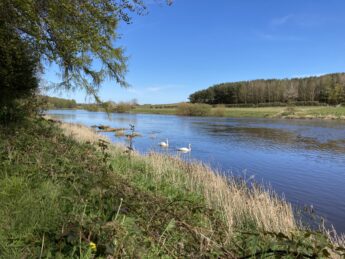
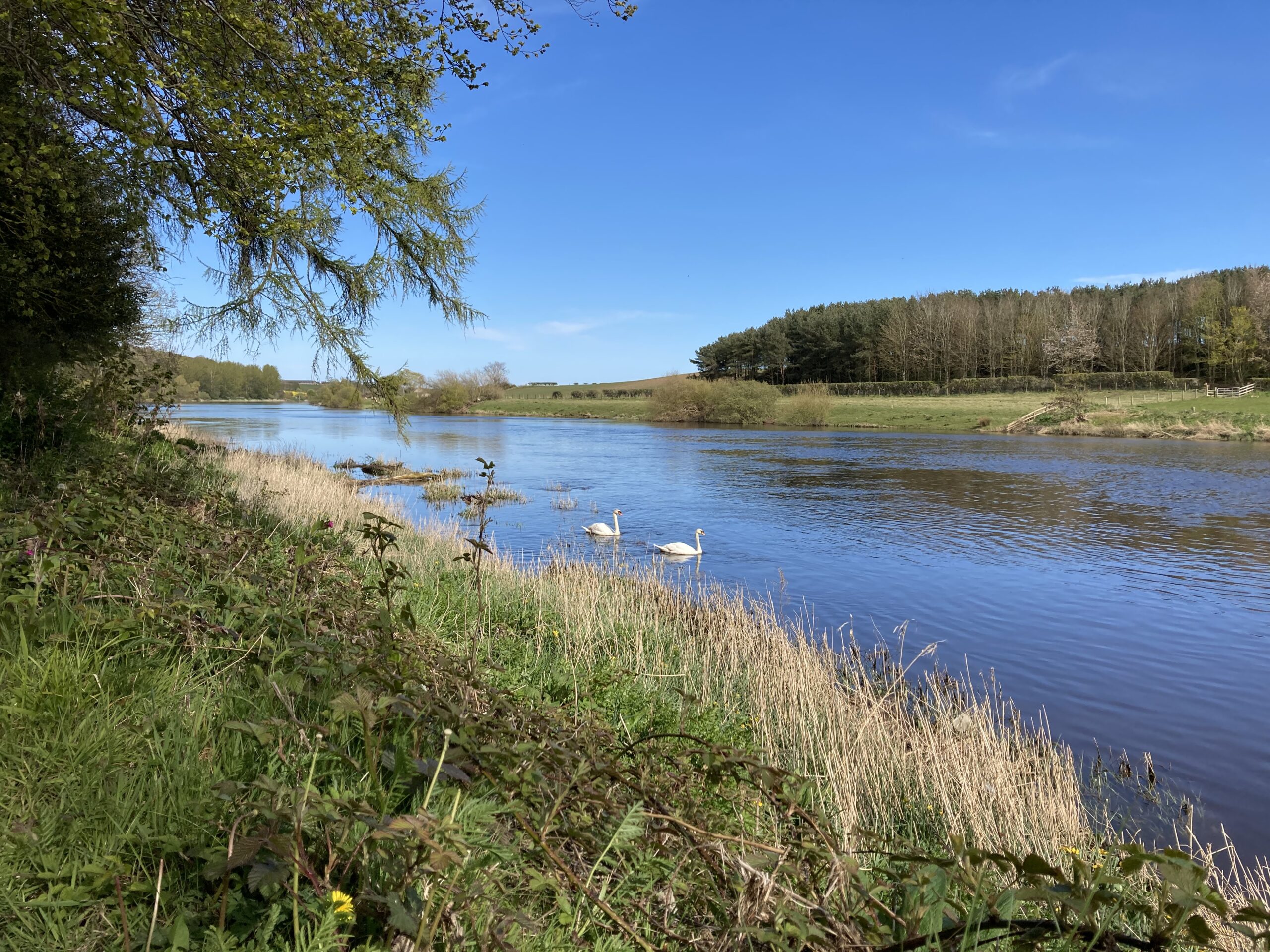
combine long experience in handling boats with a depth of local knowledge that is hard to match. They aim to bring you an insight into this special area, pointing out landmarks and likely spots to see some of the river’s plentiful wildlife. The river at Paxton is tidal, which is why boat trips are organised for specific times only – you’ll have to check our What’s On calendar – and we also advertise them on a board at our Gift Shop. There are usually waterbirds to see, mallard, teal and mute swans. You may catch a glimpse of grey herons, oystercatchers, goosanders and cormorants. Small river birds like dippers and grey wagtail ply the river and, if you are lucky, you might just see a resident otter. We even see grey seals as far up the river as Paxton.
As well as wildlife, here are architectural delights too. Looking up at palladian Paxton House from the river gives you a different perspective and other impressive Georgian houses line the river. One of the pleasures of the trip is to float underneath the impressive structure of the Union Chain Bridge, Britain’s first chain suspension bridge. Originally opened in 1820, this beautiful structure was restored and reopened in 2023 and is linked to Paxton House by paintings of the bridge and its designer which hang in the Entrance Hall.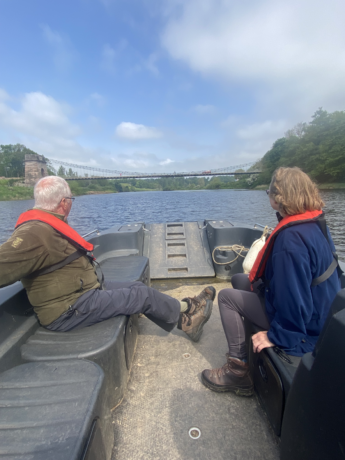
For a family celebration or just a fun day out, joining a Paxton House boat trip will give you a day to remember and really boost your wellbeing. After all, in the immortal words of Ratty in Kenneth Grahame’s Wind in the Willows, “There is nothing – absolutely nothing – half so much worth doing as simply messing about in boats.”

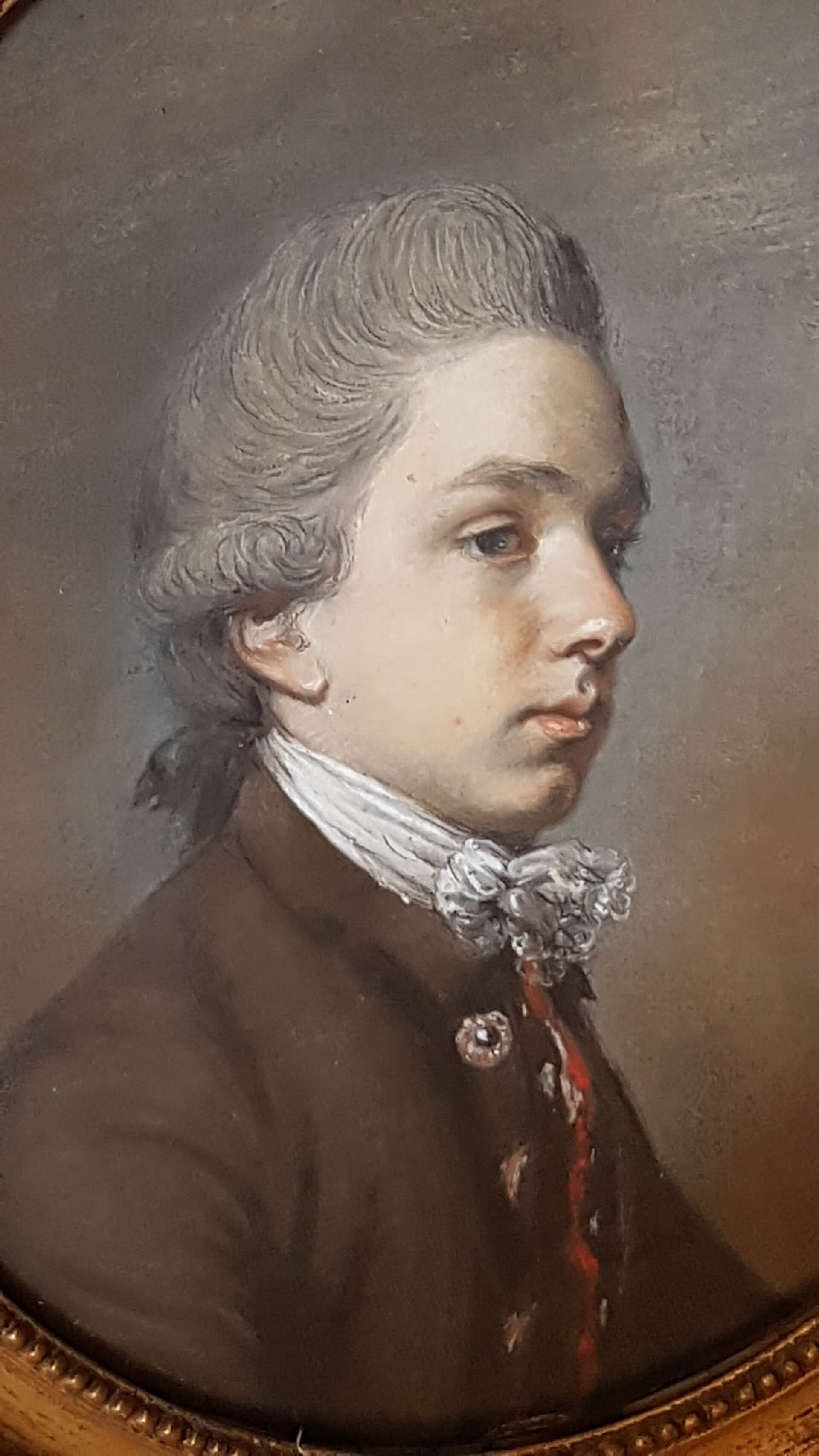 The stylish Palladian house that is Paxton, was designed as a home for Patrick Home, a young man who knew Frederick the Great well. At 19, Patrick had set off from his home in Scotland to attend the University of Leipzig to broaden his education. At the time, the University of Leipzig was one of the leading literary and cultural centres of Europe and it wasn’t long before young Patrick found his way to King Frederick’s court at Berlin and Potsdam. Although we remember Frederick the Great for his military successes, turning the small state of Prussia into a major European power, his legacy is equally important in the arts. He was impressively well read, a passionate connoisseur of music, art and architecture and a prolific writer of prose and verse. At his court, he surrounded himself with writers and musicians of talent. Patrick, out of reach of his family in Scotland, must have felt his education had truly begun.
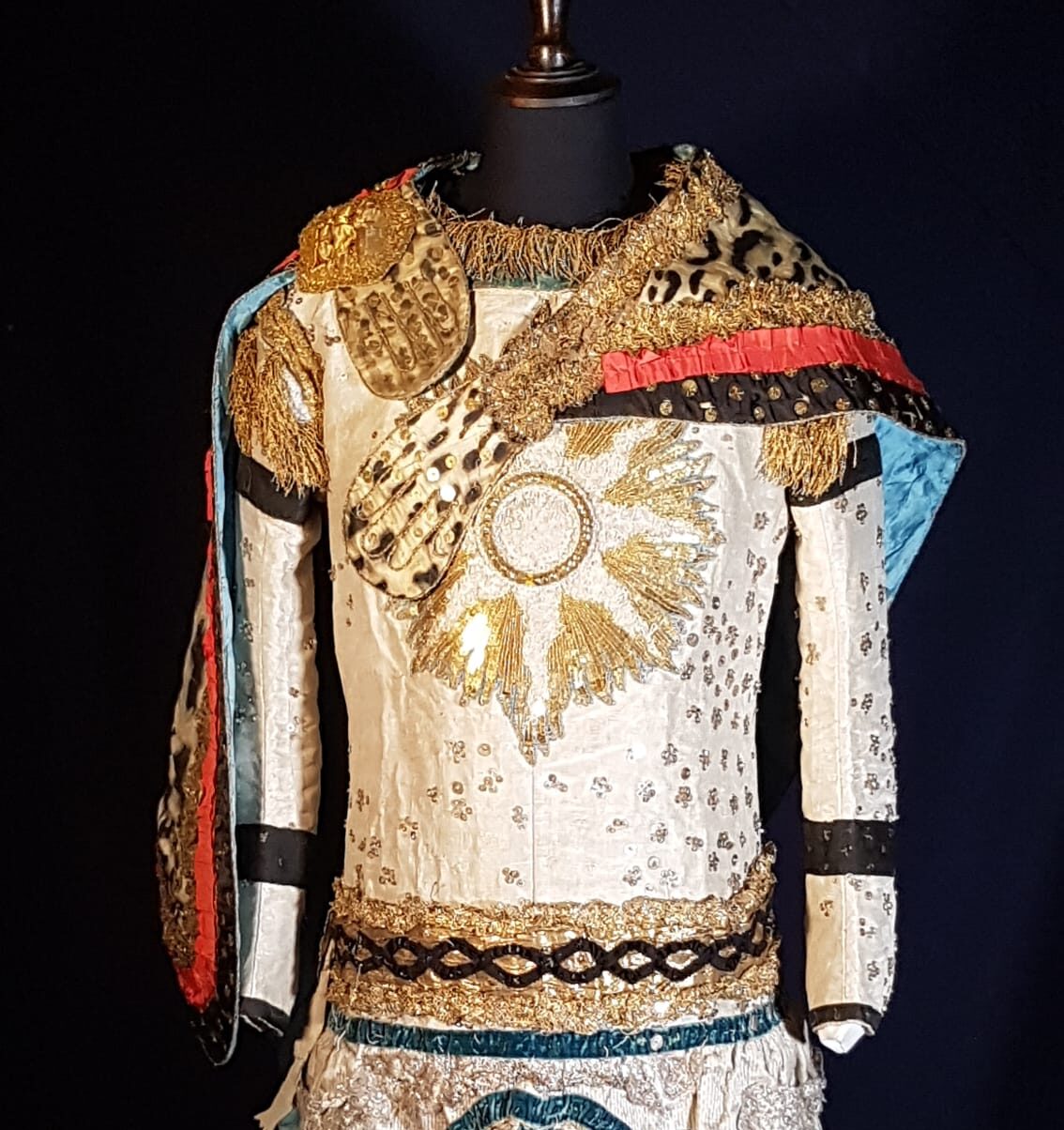 Patrick was one of the Carthiginian knights, riding next to his friend, Prince Heinrich of Prussia, younger brother of the King, who was about the same age. The Carthiginians faced knights dressed as Romans, Greeks and Persians. Their costumes were fantastical, both horse and rider bedecked in embroidery, gold, pearls, precious stones and plumes. Patrick kept his costume – it is still at Paxton House – the only one to survive from this legendary entertainment although we know how gorgeous they all looked because Frederick had sketches made for another of his sisters, Louisa, Queen of Sweden. The Carousel concluded with a masked ball and shortly afterwards, Patrick left for Italy. After all, he was in a quandary, he could not marry Sophie without moving to Prussia and taking his fortune with him, something his mother would certainly not approve. His eyes had been opened to the possibilities of an Enlightenment education and he was to spend the next few years in Italy and France where his taste for the finer things in life developed further.