Paxton House has the rare privilege of caring for not one but two outstanding collections of British furniture, one Georgian, one Regency. The names of the makers are generally familiar, Thomas Chippendale (1718-1779) is probably the best-known English cabinet maker of all time, his reputation maintained by his son Thomas (1749–1822), while William Trotter (1772-1833) can perhaps claim the crown as Scotland’s greatest cabinet maker. The furniture they completed for Paxton House is very different but can it help us decide who was the best? Three masterclasses to be held at Paxton this autumn may help us choose a favourite between Chippendale father and son and Trotter.
Understanding the materials
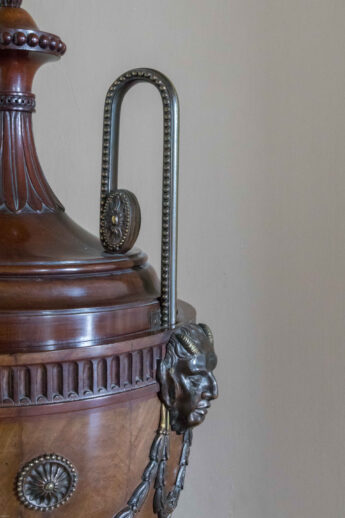
Detail of a mahogany and ormolu urn by Thomas Chippendale
Certainly, the masterclasses, led by furniture historian David Jones and Paxton’s curator Dr Fiona Salvesen Murrell, will reveal the makers’ skill. At Paxton House, Chippendale, Elder and Younger, worked mainly in mahogany from the 1770s to 1791 for Ninian Home, at a time when the finest woods were being imported into Britain from the colonies in the West Indies. The choice of flame mahogany panels and cross graining on pedestals and finials demonstrates an exceptional understanding of woods in both father and son. Trotter’s suites of furniture made for Ninian’s brother, George, around 1814, are mostly in Brazilian rosewood, which shows the crisp details of his carving.
Versatile designers
For versatility, Chippendale must move up the leaderboard. One of the extraordinary aspects of Chippendale’s designs was the ability of the elder Chippendale to develop from early rococo designs to full blown neo-classical by the end of his career, a style continued by his son. At Paxton House, the realatively plain practical furniture designed by Thomas Chippendale senior for bedrooms and offices contrasts with the highly decorative furniture in the Drawing Room designed by Thomas Chippendale junior to fit with neoclassical plasterwork provided by architect Robert Adam. Although William Trotter also worked to Robert Adam designs and employed chinoserie and antiquarian motifs in other interiors, at Paxton his references are primarily neo-classical.
Commercial success
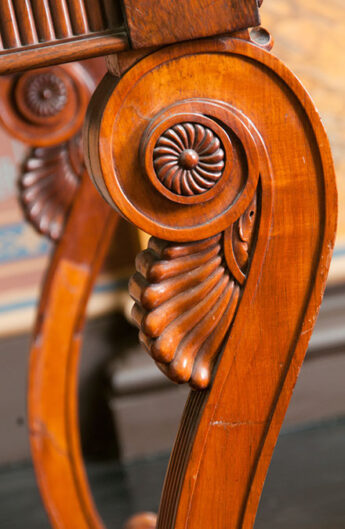
Detail of the leg of a pier table by William Trotter
William Trotter, who bought himself a country estate and rose to be Lord Provost of Edinburgh in the 1820s can perhaps claim more commercial success than the Chippendale company. The company Thomas Chippendale the Younger inherited from his father was bankrupt by 1804, although he continued to practice from another address. However, the picture is less clear cut if we put into the balance the senior Thomas Chippendale’s publication of The Gentleman and Cabinet Maker’s Director in 1754. This pattern book of designs had a fundamental impact on the design of furniture throughout Britain and was so widely used as a source book that only collections, like that at Paxton, where all the receipts and records for the furniture contracts have been preserved, can be securely identified as the master’s work. It secured the fame of Thomas Chippendale and his company for two generations and still resonates today.
Who is most famous today?
The continued fame of Thomas Chippendale into the 21st century means that, where his furniture survives, it is often among the most important and visited parts of any historic house collection. Chippendales’ company was prolific. Chippendale expert, Christopher Gilbert, identified over 700 commissions and the Chippendale Society are looking to build a full database of all known commissions. Only two pieces of English furniture sold at auction this century have topped £2million; both were by Chippendale. William Trotter was operating at the height of the Scottish Enlightenment and secured many of the key contracts of the era, refurnishing Holyroodhouse and the Edinburgh Assembly Rooms in preparation for the visit of George IV to the city in 1822. Trotter worked exclusively for Scottish patrons, whereas although Thomas Chippendale’s early career flourished in Scotland, by the time his son Thomas took over, his commissions were nationwide. Today, certified collections of Chippendale furniture survive in many country houses around the country although the collection commissioned for Paxton House is distinctive, so much so that it has been dubbed Chippendale’s ‘Paxton Style’. Much of William Trotter’s furniture was made for the townhouses of Edinburgh gentry and few collections survive intact today, adding to the importance of the furnishings in the Bust Room, Library and Picture Gallery at Paxton House.
So, it seems the three designers have much in common, all working at a time of growing prosperity; all with exceptional understanding of wood; and all producing furniture for Paxton House which has become iconic. All of Paxton’s collections by these makers are Recognised as of national importance. What will the masterclasses reveal and who would you vote the best?
Furniture Masterclasses at Paxton House are to be held on 6th, 7th and 27 September can be booked here
Paxton House wins the 2023 EU Business News Award for Best Country House Visitor Attraction and Caravan Park – Scottish Borders
We are thrilled that Paxton House has won the prestigious European Business News Award against stiff competition. The EuropeanTravel Awards serve to highlight those whose work accentuates Europe’s rich abundance of history, culture and iconic cuisines, and those who enable international tourists to experience the best that Europe has to offer. It is a highly inclusive awards programme with nominations open to any candidates who operate within the Travel, Leisure, Tourism or Hospitality sectors in Europe.
So much to offer
Paxton House has much to offer both local and international tourists. The elegant Adam designed mansion has a nationally Recognised collection of Chippendale and Trotter furniture and one of the largest private picture galleries in Scotland, displaying works on loan from the National Galleries of Scotland. It also has a spectacular collection of men’s 18th century costume, brought back by Patrick Home, the original owner, from his time at the court of Frederick the Great.
Walled Garden Caravan Park
The caravan park is secluded within the walled garden and provides visitors with an oasis of peace. With only 30 well-spaced pitches, it is a great place from which to explore the beautiful Borders countryside. Guests are free to enjoy the 80 acres of manicured gardens and woodland walks that sweep down to the banks of the River Tweed. From there you can walk along to the recently re-opened Union Chain Bridge, the world’s oldest vehicular suspension bridge.
Commercial Manager Belinda Don comments “We are thrilled to receive this award. Paxton is a beautiful place and visitors can be assured of a warm welcome from all our staff, whether on a guided tour, in the tearoom, shop or caravan park. It is wonderful to have the team’s hard work recognised and we hope that this prize will inspire even more people to come and visit us here at Paxton.”
If you like a finely turned leg of the furniture variety and are interested in the history of 18th century cabinet making, sign up to our masterclasses on Chippendale and Trotter.
This September, we are holding three very special masterclasses to give an in-depth insight into the skills and techniques of three of Britain’s most important cabinet makers. Run by furniture historian David Jones and Paxton’s curator Dr Fiona Salvesen Murrell, the first class on the 6th September will study Paxton’s collection of furniture made by Thomas Chippendale the Elder, the second on the 7th September the work of his son Thomas Chippendale the Younger and on the 27th September the work of the Edinburgh cabinet maker William Trotter.
Paxton Style
Situated right on the border between England and Scotland, Paxton House provides the perfect place to study the finest furniture makers of the two nations. It has one of the largest collections of furniture by Thomas Chippendale the Elder anywhere in the UK. The repertoire of over one hundred items executed in a uniquely restrained manner for the owner Ninian Home, established what has become known as the “Paxton Style”. The study day will allow you to look in detail at the unique collection at Paxton House and become immersed in Chippendale’s design and craftsmanship.
French inspired Neo-classicism
The second study day will concentrate on an analysis of the suites of furniture provided by Thomas Chippendale the Younger for both Paxton and the Home’s town house in London. Chippendale junior collaborated with his father and the firm’s business partners to create a large number of pieces that represent an intriguing transition between the generations, before launching his own particular brand of French inspired neo-classicism at Paxton. The beautiful drawing room in particular, is a wonderful showcase for his elegant and sophisticated style.
Scotch Empire
The last day on the 27th September immerses you in the Greek Revival and “Scotch Empire” style collection of rosewood furniture that populates the Library and Picture Gallery, built between 1812 – 13. The outstanding Scottish cabinet maker William Trotter developed a style informed by Greek and Roman detail and enhanced by French ideas that were inspired by the presence of the Comte d’Artois’ royal court in exile at the Palace of Holyroodhouse.
The masterclasses will run from 10am – 4pm and will cost £95 per day per person, including lunch and all refreshments. A discounted rate of £270 applies if you book all three days in advance.
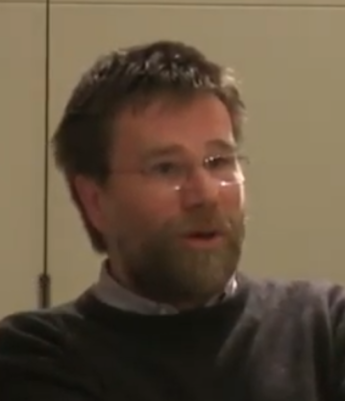
David Jones has published extensively on various aspects of vernacular and regional furniture. He advises on several important collections of historic furniture, including Hopetoun House, Paxton House and Dumfries House. He retired from teaching Furniture History at the University of St Andrews in 2011 and has subsequently taught at other universities, including the Smithsonian Institute in Washington DC.
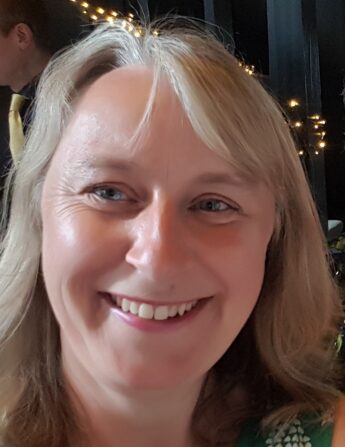
Dr Fiona Salvesen Murrell began her curatorial career in the National Museums of Scotland . She has published on British art and artists and curated many exhibitions. She secured Recognition status from Museums Galleries Scotland on behalf of the Scottish government for Paxton’s Chippendale and Trotter furniture. Her recent exhibitions at Paxton have focussed on the collection’s transatlantic slave trade connections. Her Parallel Lives – Worlds Apart project was short-listed for the prestigious Museums Change Lives – Reimagining the Museum Award in 2022.
John Campbell, 1st Marquess of Breadalbane by Henry Raeburn, on loan to Paxton House from National Galleries Scotland
Sir Henry Raeburn (1756-1823), one of Britain’s most celebrated portrait painters, died unexpectedly in July 1823, just after returning to Edinburgh from an excursion with friends. Two hundred years later, his works are scattered across the globe, in major collections in the USA and in the National Gallery of Scotland, while Paxton House has significant group of his portraits. The collection, hung in the Study and the Picture Gallery, includes works on loan from National Galleries Scotland, and spans the painter’s career, giving an insight into Raeburn’s status as a painter.
Robert Montgomery 1774 – 1854 by Henry Raeburn, on loan from National Gallery of Scotland
Born in Edinburgh in 1756, Henry Raeburn hardly ever left the city of his birth but he stands among the greatest painters of the age. Today his portraits capture for us all the major figures of the Scottish Enlightenment, the period when Scotland was the intellectual powerhouse of Georgian Britain.
The earliest of his portraits in the Picture Gallery at Paxton is a head and shoulders portrait of Robert Montgomery (1774-1854). This early work is a good starting point for understanding how Raeburn’s career developed. Montgomery was a lawyer, who later became Lord Advocate of Scotland, but this portrait has been cut down from a full-length view of Montgomery in hunting clothes. When the portrait was painted, around 1790, Montgomery was in his twenties and newly qualified; Raeburn chooses to show him lit from the left and behind, a technique he had learned on a visit to Rome a few years earlier. The loose technique of this portrait contrasts with the more mature portrait of another lawyer, George Home of Paxton, which hangs in the Study. Painted perhaps fifteen years later, by this time the Edinburgh legal profession had proved a mainstay of Raeburn’s clientele. The sombre colours and focus of light on the face gives the sitter a seriousness which flattered his subjects.
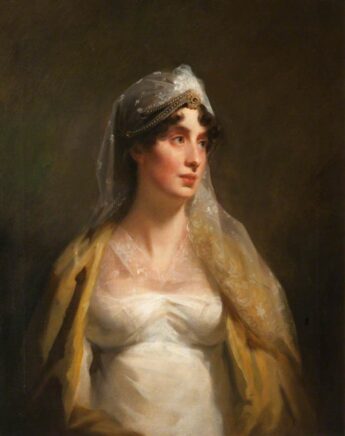
Grace Home Purves, 1st Lady Milne by Henry Raeburn
Success came early to Henry Raeburn. He was briefly apprenticed to a goldsmith, and by the mid 1790s he was already established as an artist with a studio in George Street, married to a wealthy widow and father to two sons. His youngest son, Henry, appears in a portrait at Paxton which is probably a copy, by another hand, of a sketch Raeburn made of his son on a grey pony around 1796, perhaps for a full size portrait of The Drummond Children, now in the Metropolitan Museum in New York. He was to become an accomplished painter of children. Arguably, the prettiest portrait at Paxton is of Grace, Lady Milne, painted shortly after her marriage around 1804; it has all the romantic grace of Raeburn’s contemporary, Sir Thomas Lawrence, whose work may have been an influence at this time. Grace married Admiral Sir David Milne whom Raeburn painted in a handsome full-length portrait in his naval uniform which today hangs beside her and around which the furniture in the room was arranged. Grace’s early death in 1814 was a terrible blow to her husband, leaving him with two young sons, one of whom would grow up to inherit Paxton House.
Another of Raeburn’s female subjects has a similarly romantic air and may also have been a marriage portrait; Margaret Scott of Logie, painted around 1806. An heiress, she married a solder, John Hope, who rose to become a General in the Duke of Wellington’s Peninsula War against Napoleon. In contrast, another portrait of a woman by Raeburn has a different story to tell, of a mature confident woman, Jean Adam, Mrs Kennedy of Dunure. The portrait is a pair with one of her husband in the National Gallery of Scotland’s own collection; the paintings were made for her son about three years after the couple separated in 1808. Jean’s place here is earned through her father John Adam who, with his brothers James and Robert Adam, were responsible for the architecture and interiors at Paxton House.
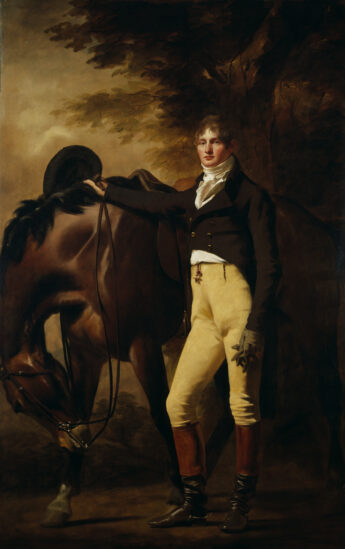
John Wilson of Elleray (1785–1854) by Henry Raeburn, on loan from National Galleries Scotland
Two impressive full length portraits by Sir Henry Raeburn in Paxton’s Picture Gallery belong to his busiest period. In 1808, he filed for bankruptcy after his investment in a trading company failed and he was then forced to take on as many commissions as he could to repay his debts. On the right of the fireplace hangs a portrait of a young man in riding breeches, looking confident and a little self-satisfied in a portrait style adopted by Raeburn for many of his landowning patrons. This is John Wilson of Elleray painted when he was about 22, newly graduated from Oxford, independent and the owner of an estate in Cumbria. He might have been forgotten by history but for misfortune. A bad investment by his uncle left him penniless within a few years of the portrait. He moved to Edinburgh, trained as a lawyer and became co-founder and principal writer for Blackwood’s Edinburgh Magazine, one of the nineteenth century’s most controversial and successful publications. Its success was largely due to Wilson’s contributions which were an opinionated and combative mix of satire, reviews and criticism, under the pseudonym, ‘Christopher North’. He was at the centre of Scottish intellectual life, also holding the Chair of Moral Philosophy at the University of Edinburgh.
On the other side of the fireplace is a later portrait dating from around 1822, shortly before Raeburn’s death. It shows John Campbell, 1st Marquess of Breadalbane, owner of vast estates in Perthshire at heart of which sits fabulous Taymouth Castle, a vast gothic edifice, commissioned by Campbell in the 1850s with little thought for expense. This mature work from Henry Raeburn shows all his skill in capturing character and his typical lighting style which creates drama in the composition.
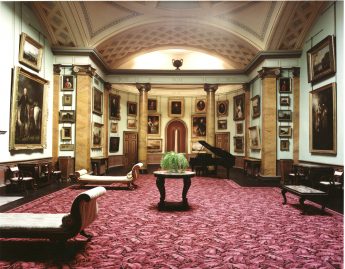
The Picture Gallery, Paxton House
The portraits in the Picture Gallery are looking their best thanks to another connection between Henry Raeburn and Paxton House. When George Home of Paxton commissioned the construction of the Picture Gallery in 1813, originally to house his uncle’s Grand Tour purchases, he turned to his portraitist, Raeburn, for advice on its design. It was Raeburn who advised on the top lighting from the central cupola and two lunettes in the roof; a revolutionary design at the time which was to influence the design of picture galleries through the coming century.
When Henry Raeburn was knighted by George IV as his official royal painter in Scotland in 1822, he had already captured in paint many of the leading men and women of the day. A visit to the collection at Paxton is an ideal introduction to one of Scotland’s foremost painters, tracing both the development of his skill and introducing us to some of the people who mattered in Regency Scotland from peers to intellectuals.
It’s a Summer of Fun at Paxton House & Grounds! In the school holidays, we pride ourselves on offering fun for all, so that everyone in the local area around Berwick upon Tweed and Duns and all the holiday makers in the Scottish Borders and Northumberland can spend time with us.
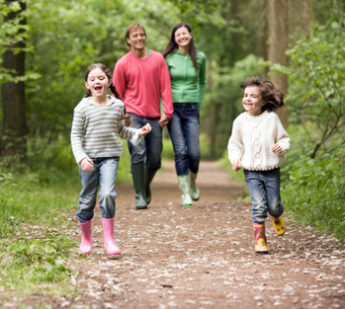
Families are really important to us – Paxton House was home to the Home family for five generations and our Trustee, John Home-Robertson, has happy memories of running wild in the woods as a child. Our special Super Summer Fun programme of events kicks off this July with activities on Mondays for 3 to 4 year olds and on Wednesdays for 4 to 7 year olds, everything from storytelling to Viking Warrior School and bushcraft – check our What’s On calendar for details. We’ve managed to squeeze in some creative and messy play sessions on Tuesdays too and, did you know? – every Wednesday is Bouncy Castle Wednesday. If you have musical kids – or wish they were – there are sessions for children and families as part of July’s Festival of Chamber Music, Music at Paxton and a pop-up session for under 5s in August. Our popular Fairies & Dragons Trail brings a bit of magic to your walks around our grounds all summer. The highlight of the season will be our Summer Fayre & Dog Show on 13 August which encapsulates so much we love about summer days out at Paxton, friendly, fun and relaxed with a smattering of well-behaved dogs and lots to keep you entertained.
We haven’t forgotten the adults either. In Paxton House, two major exhibitions are running that explore aspects of the Home family’s connections with the Caribbean through costume, paintings and furniture. We are staging a series of specialist tours of Paxton’s superb interiors on selected days in August and September to explore aspects of the house’s fascinating history in a bit more detail with our expert guides. Music at Paxton is established as one of the key musical events in the area with a range of top performers alongside new arrivals on the music scene as well as this year’s talented associate ensemble, the Consone Quartet. Bring a picnic to share on the terrace lawn before the performance for a really memorable summer evening’s entertainment and to make the most of our long July evenings or pick up one in advance from our Stables Tearoom. If you haven’t experienced the intimacy of classical music played in the superb acoustics of Paxton House’s Regency Picture Gallery, this is an experience you should not miss. Each Wednesday, our marquee is taken over by local artisans and crafters for a weekly market where you can find all sorts of original gifts and items for the home.
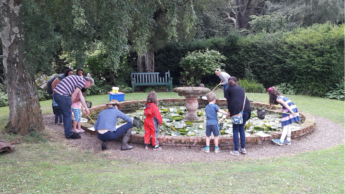
There is plenty happening this summer in the grounds for the whole family. Take a boat trip up the River Tweed or challenge the family to a competitive game of croquet or a round of putting. Round your visit off with at the Stables Tearoom where you’ll find a fantastic summer menu of delicious light lunches, milkshakes and cakes. And, of course, if all you want is to give your kids a chance to run wild in the woods and get close to nature, they can still do that too. Now you see why we think Summer 2023 will be the Summer of Fun!
As the country marks 75 years since the arrival of HMT Empire Windrush on 22 June 1948, we are reflecting on the impact on British history of some of the events played out at Paxton House. The arrival of this one ship has stayed in the public consciousness as a crucial marker in the mass migration of Caribbean people into Britain but in fact it is just one point in a long relationship between Britain and the West Indies. The Windrush Generation now defines the people who arrived just after the passing of the 1947 British Nationality Act gave the right to work and settle in Britain to people all over the then British Empire. It’s a common misconception that HMT Empire Windrush carried only Jamaican passengers but there were also people from other islands, including Grenada, and it is with Grenada that Paxton House has the strongest ties.
Map of Grenada
Paxton House & Grenada
The history of Grenada is complex. About the size of Birmingham, the island lies in the Southern Caribbean, part of the Grenadines. It earns its nickname as the Island of Spice because of its extensive modern day nutmeg plantations. Christopher Columbus tried several times to land there in the 1490s but was driven off by the indigenous inhabitants. The island was finally colonised by the French in 1649. It didn’t become British until 1763, when it was handed over as part of the Treaty of Paris which ended the American Revolutionary War. Now Ninian Home, who became the owner of Paxton House in 1773, enters the story. He first bought a plantation in Grenada shortly after the island became a British possession and rose to be Lieutenant Governor. He was killed in 1795 in an uprising inspired by the ideas of the French Revolution. The uprising failed and Grenada remained a British territory until independence in 1974. The majority of today’s population is descended from enslaved people brought from Africa to the Caribbean where they were put to work by French and British planters who grew sugar on labour intensive plantations. At Paxton House, you can see a unique series of contemporary paintings of one of Ninian Home’s plantations on Grenada in 1789 by the Scottish landscapist Adam Callander. Read more about Paxton House’s Caribbean Connections.
As one of many Scots with family connections to the 18th century history of slavery in Britain’s Caribbean colonies, John Home Robertson, an indirect descendant of Ninian Home and Trustee of Paxton House, was keen to celebrate the bicentenary of the abolition of the slave trade in 2007. He sought advice about Grenadian people in London from former Acton & Shepherds Bush MP Clive Soley, and was introduced to Margaret Noel, the founder of Descendants. Today, the Paxton Trust has forged a strong ongoing relationship with the Descendants community group. We asked Margaret Noel to share with us her personal experience as a Briton of Grenadian descent to mark Windrush 75.
Child of the Windrush generation
“Grenada, land of my birth!
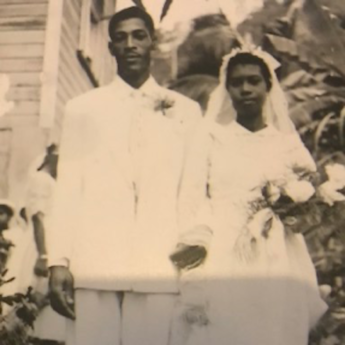
Margaret Noel’s parents at their wedding in Grenada
My Father took the call and left Grenada in the 50s to help rebuild England after World War Two. My Mum followed in 1958. In 1961, my parents sent for me and my younger sister. We had been left with our Great aunts, who lived next door to each other. Although we missed our parents, we were surrounded by cousins and family members. Despite finding a hostile and racist environment, my parents worked hard and sent barrels, packed with the necessary food items and dolls and clothes for our family in Grenada.
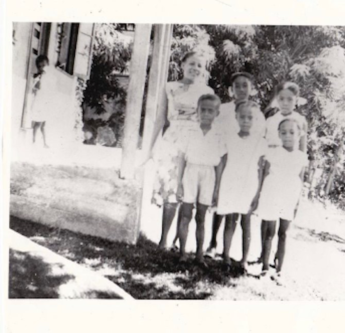
The day arrived; my sister and I dressed up in our finest. Our uncle Sidney had the task of bringing us to England. We hugged, embraced, and kissed our Great Aunts, tears rolling down our cheeks; we did not want to leave our home, but we really wanted to see our parents, we really could not remember what they looked like.
In Grenada, we went to a Catholic school on Grand Anse beach, education was encouraged by my aunts, and I was already 2 years ahead of my age group. I had also made my first holy communion. I was sad to be leaving that beautiful house, full of family, the beach, and the beautiful, deep blue sea.
Margaret Noel and her sister posing with their cousins before leaving Grenada for the UK in 1961
The Voyage to Britain
We arrived at the wharf and said our last goodbyes as we were guided by the sailors to the small boat that was going to take us to the main boat. We waved and waved until the figures disappeared.
The journey took 3 weeks, sailing to many places on the journey. When people ask me, “What it was like on the boat?” My sister and I have very few memories. One thing stuck with me, was ‘cornflakes’, I had never tasted anything so tasteless! I also remember there was a party on the boat and I was given a rubber doll, I know I did not like my doll. My sister was given doll house utensils.
We sailed into Tilbury Docks, and then took the train to London; our parents were there to meet us. My sister did not recognise our dad and said “That is not our Dad”. I just accepted it as my Mum greeted us so warmly, I could feel the love and the longing to see her two daughters again after such a long time apart.
Life in a New Country
We travelled to our new home. We were shocked; we had been living in a house, now we were living in a small flat in Ladbroke Grove, Hazelwood Crescent. My uncle would also be sharing the space as they worked shifts, so when one went to work and we went to school, my uncle slept and worked nights. My mum worked in Lyons Cake Factory and my dad worked on the railways. We did not have baths in the house so we had washes. Every week we would go to the public bath by the Penny Ha’penny Steps to have a soak and a full bath. We moved to Southam Street, also in Ladbroke Grove, which had a bigger front room where my parents slept – there were still no baths, but there was a toilet to share with another family. We finally moved to Acton in the late 1960s where we had our own self-contained flat with toilet, bathroom, and three bedrooms.
My sister and I could not get into any Catholic school, so we attended St Stephen’s Church of England Primary School. School life was difficult as I was not allowed to write joined up and got hit with a ruler until I stopped. We also got a lot of teasing from the children about our hair, and I can remember begging our mum to straighten our hair with the hot comb, to stop the teasing. Our school holidays were spent with a day at the seaside.
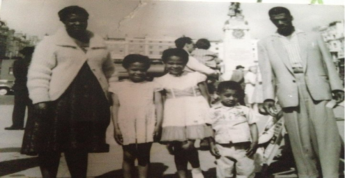
Margaret Noel with her family in the UK in the 1960s
I moved to North Paddington Secondary school and was put in the ‘Dunce’ class where most of the children were Caribbean. After two years, it was finally noticed I should not have been in that class, and I was moved to the ‘O level’ class. A lot of damage had been caused as I had missed out on so much education. I then had to fight to catch up. There were many obstacles throughout my education. Like many other Black children in my secondary school, we were ushered towards sports, and I won many accolades in athletics, netball, and hockey.
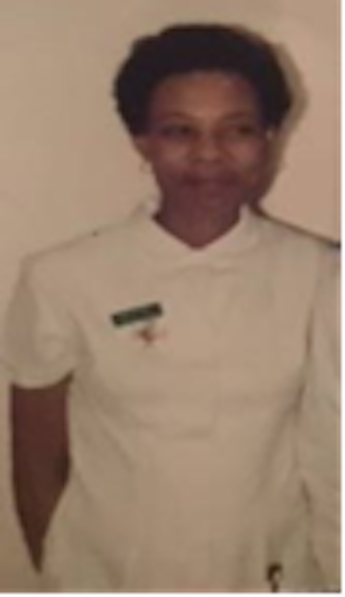
Margaret Noel, newly qualified as an SEN
Making a Difference
After leaving school, I entered the nursing profession, trained as a state enrolled nurse, to my Mum’s delight. After leaving nursing, I retrained and qualified as a probation officer, working in the courts, prison, and the community.
As a parent, I vowed that what happened to me at school, would not happen to my children. I was going to make sure they did not face the same discrimination and being held back because they were Black. I sent them to Mr Carter’s Saturday Supplementary School. I became active at my daughters’ school, joining the PTA. At secondary, I challenged many discriminatory practices, and I was put forward by the Headmistress to become a Foundation Governor at a new West London Catholic College. This was an eye-opening experience. My stance was I had every right to be at the table, and I was not taking ‘no!’ for an answer.
Descendants was established in 1993, with my family, parents, and community members. The charity came about after a performance at St Vincent’s, my children’s catholic primary school in Acton. I also drew on my personal experiences as a youth worker, and whilst working as a probation officer after seeing so many Black men in prison. Additionally, there was the shocking racist murder of Stephen Lawrence. These episodes were the catalyst to setting up Descendants in 1993, now 30 years ago this year. In 2005, Descendants established Achievement awards, to recognise publicly the achievements of children and young people, now called the Dr John Roberts’ CBE QC Achievement award, run annually and now in its 18th year.
I have lived in the UK since the age of eight, 62 years ago. My children were born here, my grandchildren were born here, my question to you is when does a Black person become British enough? I love Grenada, my country of birth, but I live in the UK and intend to remain here, despite all the obstacles.
The brutal killing of George Floyd actually made more people across the world protest and speak up about injustice and racism, demanding changes. Here in the UK, it became a catalyst for more open exchanges. As a Black person, it felt like we became more visible.
Since I arrived in the UK in 1961, change has been slow, but I believe positive changes will happen in the future as more young people question and exercise their rights to be treated fairly and are taking opportunities now open to them.”
Margaret Noel, June 2023
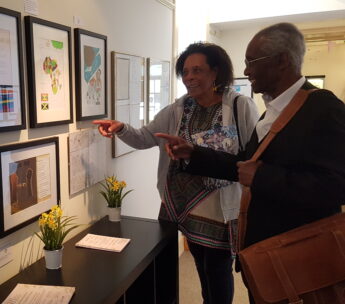
Margaret Noel with Sir Geoff Palmer and children’s artwork related to slavery in 2022
Descendants is a history and arts focussed organisation aimed at children and young people, primarily, but not exclusively, of African and Caribbean descent. A group from Descendants last visited Paxton House in Summer 2022 for a special Caribbean Celebration Day.
Cait Burk, MA student at the University of Glasgow shares her discoveries about an unusual item in the Paxton House costume collection.
The costume collection at Paxton House includes a remarkable Jacobean nightcap that dates to around 1590-1620. Nightcaps were a common garment worn by men in the sixteenth and seventeenth centuries. As with most dress of that time, its purpose was multifaceted. It kept the head warm in draughty houses and was thought to ward off ailments, but it was also a way to show off wealth. Embroidered nightcaps, like Paxton’s, were a form of informal dress, which meant they could only be worn within the privacy of the home where they functioned as a way to advertise wealth to friends and tradespeople visiting the home. Though a small item, it is the oldest object in the Paxton House costume collection.
What it is like?
The Paxton nightcap is made of linen and embroidered with silver and gilt metal thread making it an expensive item that not many people of the time could afford to wear. The metallic embroidery is exquisitely done and appears to be professionally worked. Very little metal thread was used on the reverse side in order to preserve the expense of such a valuable item. Acorns and oak leaves connected by scrolling branches and vines make up the motifs. It fits close to the head in a skullcap shape and has an upturned brim edged with gilt bobbin lace intertwined with oblong spangles. Internally, the cap is lined with another layer of linen to both protect the head from the metal thread and keep the expensive nightcap clean. The lining could easily be removed and washed, or replaced, when it became dirty or worn.
How Was It Made?
Nightcaps of the time were usually made from one piece of linen. The cap pattern and embroidery design were transferred to the linen through pinpricking the paper design, done in charcoal, into the fabric. Another option was to hold the design under the fabric to a light source and trace the pattern onto the linen. It was then stretched in an embroidery frame, embroidered, cut out, and stitched together. Paxton’s nightcap was similarly made, but the turned back brim is a separate piece of linen.
Embroidery stitches
The embroidery on this cap makes use of a variation of a braid stitch on the vines and stems connecting the acorns and oak leaves. The swirls coming off the stems are done in a chain stitch. For the acorns, both the nut and the cap are done using the single corded Brussels stitch. The variation in texture comes from the direction of the stitch. The oak leaves are done using a variation of the raised stem band stitch. All of these stitches are worked over-top of the linen, only anchoring occasionally through the fabric, leaving very little gilt thread on the backside of the linen. To assemble the cap, the arches were stitched together, and the back seam sewn up. A final embroidery of chain stitches in gilt thread went over the seams to hide them. To finish it off, the gilt bobbin lace was attached to the brim edge.
While many nightcaps were embroidered with both coloured silk and metal threads, Paxton’s nightcap features only silver (or silver-alloy) and gilt thread embroidery. The nut of the acorn is the only section that uses silver thread. The oak leaves, acorn caps, and remainder of embroidery was done in gilt thread. To produce these threads, it is likely the metal was hammered or rolled into thin sheets and then cut into small strips. The metal strips were then wrapped around a core yarn. The gilt thread was achieved through the same process, but gold leaf was burnished onto the base metal before it was hammered, cut, and wrapped around a core. Gilt threads are easily identifiable because areas of burnished gold tend to rub off. Paxton’s nightcap has evidence of this.
Who owned it? Was it George Home, Earl of Dunbar?
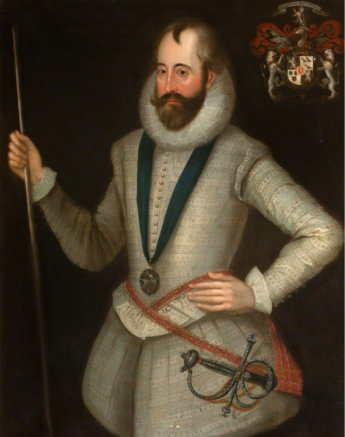
George Home, 1st Earl of Dunbar, artist unknown
It seemed most likely that the nightcap belonged to George Home, Earl of Dunbar and came to the house with his portrait that now hangs at the top of the main staircase. I set out to try and prove if this theory was correct, but unfortunately was unable to find irrefutable evidence. George Home, Earl of Dunbar, (1556-1611) was a favourite of King James VI and I, and held many titles throughout his career, lavished on him by the King. One was Master of the Great Wardrobe, to which he was appointed in 1603. Home met the young King James sometime in the 1580s and quickly worked to become indispensable to him. Because of his position within James’ court, Home undoubtably could have afforded a nightcap like the one at Paxton. Additionally, undress became a popular fashion within the court of James VI and I, especially with the Union of the Crowns in 1603. The King brought the Scottish preference for using the bedchamber for official business to England, so that the bedchamber quickly replaced the privy chamber.
Phineas Pett, Master Shipbuilder to James I & VI, wearing a nightcap similar to the Paxton nightcap. National Portrait Gallery, oil on panel, circa 1612 NPG 2035
Even though nightcap etiquette demanded one only be worn in the presence of people from a lower social rank, it is well-known that ‘the chief lords and favourite [wore] on their heads richly embroidered caps’ while in the King’s presence. Therefore, it is likely, as a favourite and servant of the king, that George Home owned one or more nightcaps. The Earl of Dunbar’s association with Paxton House is still a bit of a mystery, although he is an ancestor of the Homes of Paxton. As the Lord of Berwick, the Earl had land holdings there and began to build a house on the site of Berwick Castle that was never finished. How his portrait from 1610 ended up in Paxton’s collection is still unknown, since the house was not built until 1758 by Patrick Home of Billie (1728-1808). Both the painting and the nightcap date to around the same time and are some of the oldest pieces in the house but there is no discernible link between the portrait and the nightcap. Additionally, the nightcap’s dates fit into the later years of the Earl’s life. It remains possible that the nightcap once belonged to George Home, Earl of Dunbar and came to Paxton House by inheritance along with his portrait.
Or could it be Sir George Home of Wedderburn?
Wedderburn Castle, Berwickshire rebuilt by Robert Adam for Patrick Home of Billie from 1771 – 1775.
Through more research, I was also able to track down two other possible owners: Sir George Home of Wedderburn (1552-1616) and his younger brother, David Home of Godscroft (1558-1629). For a year, in 1597, Sir George Home of Wedderburn was the Comptroller of the Household to James VI of Scotland. His great-great-grandson was the George Home who lost the land on which Paxton would eventually be built, after being convicted as a Jacobite traitor in the uprising of 1715. The Paxton lands passed to Patrick Home of Billie by 1750 and he built a new house around 1758. When he inherited Wedderburn Castle, Sir George’s ancestral home, in 1766, he left Paxton and rebuilt Wedderburn as well. If the nightcap did indeed belong to George Home of Wedderburn, it likely came to Paxton from Wedderburn Castle. When Paxton House was inherited by yet another George Home in 1795, he had various family possessions including books and paintings moved from Wedderburn Castle to Paxton. Therefore, if the nightcap belonged to George Home of Wedderburn (1552-1616), it likely stayed in the family until it was transported to Paxton almost 200 years later.
Or David Home of Godscroft?
Signature of David Home of Godscroft on a contemporary charter
The same backtracking can be done for David Home of Godscroft (1558-1629), the younger brother of Sir George Home of Wedderburn (1552-1616). David was a major intellectual figure in Scotland during this time, and nightcaps were often signifiers of academics or clergymen. Additionally, if he could afford the gilt embroidery, it was legal for him to wear the nightcap under Scottish sumptuary laws. Scottish sumptuary laws differed from English sumptuary laws which were not repealed until 1604 by King James VI and I. However, the nightcap would have had to find its way to Paxton House in some manner, but, since he was related to Sir George Home of Wedderburn (1552-1616), it is not impossible.
My second candidate, Sir George Home of Wedderburn is, in my opinion, the most likely owner of Paxton’s beautifully worked nightcap as he has the most direct connections to Paxton House.
Cait Burk is a masters student at the University of Glasgow studying historic dress and textiles. She comes from a theatre and film background working in the costume department as a maker and breakdown artist. She was also involved in Paxton House’s Georgian Dressmaking Live!event this Spring. The sackback gown she helped to make as part of that event in currently on display in the dining room. To see it, book a house tour here.
May is National Walking Month and at Paxton House we are making the most of our 80 acres of grounds and gardens to appreciate the great outdoors. Our grounds were designed for walking, the Georgian gentry loved to walk – remember Lizzie Bennett striding across the country in Jane Austen’s Pride and Prejudice for whom “not a day went by without a solitary walk”? When Patrick Home of Paxton House decided to enhance his new home with beautiful surroundings in the 1750s, he wanted to enjoy the spectacular setting with meandering paths that led down to the river and to make the most of the views across the river Tweed.
Woods & Water
The spacious wooded grounds at Paxton House aren’t just woods, they are all part of this planned landscape designed by Robert Robinson in the 1750s and maintained by the Home-Robertson family over the centuries, until it became the responsibility of the Paxton House Trust in 1988. Robert Robinson was a Scottish landscape designer who learned his craft as a draughtsman for ‘Capability’ Brown, the eighteenth century’s most celebrated garden designer. Robinson had a successful career and, as well as Paxton House, designed landscaped grounds for 16 other country houses including Glamis Castle and Fyvie Castle. It is Robert Robinson we have to thank, not just for the lawns and terraces around the house, but also the winding paths and woodlands. In the 1750s, landscape was all the rage and everyone wanted naturalistic grounds up to the walls of the house with views carefully choreographed between clumps of trees and grazing animals. Many of the garden flowers we have come to rely on originated in China, the Americas and South Africa and had yet to be introduced to Britain, so Georgian gardeners were the masters of green. At Paxton House, Robert Robinson could make use of a deep winding valley, natural slopes and the majesty of the river Tweed to create a setting that just cries out to be explored.
stretch your legs
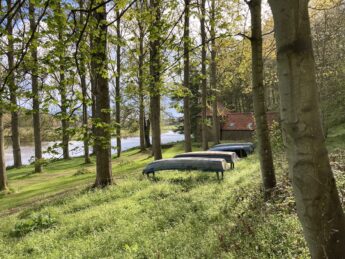
So how energetic are you? Paxton caters for everyone. You can be adventurous and head off along the Linn Burn, following a circuit of the grounds which will take you about 30 minutes or extend it to an hour by going along the riverbank to the newly restored Union Chain Bridge, the oldest vehicular suspension bridge in Europe. There is so much to see on the way, along the Linn Burn look out for James Nisbet’s elegant bridge of 1759, the Georgian icehouse, the working waterwheel and the Appleyard and alongside the river Tweed, it’s the traditional cobles, the wildlife and Victorian boathouse that will catch your interest. You will see new vistas opened up by 2021’s Storm Arwen and how we are replanting woodlands and repairing the damage. Or you can be more leisurely and stroll on the garden terraces around the house, finishing with a well earned lunch or tea in our Stables Tearoom. If you are coming with children, this is the last month to follow our Spring Trail for lots of family fun (watch out for a Fairies & Dragons Trail from 1 June). And yes, you are welcome to bring your dog, but please remember to keep them on a lead and pick up after them. This is the time to walk like a Georgian and explore another world inside our gates. Come and enjoy National Walking Month at Paxton, all you need is a grounds pass.
There is real excitement at Paxton House with the long-awaited reopening of the Union Chain Bridge after a multi-million-pound restoration that has taken 4 years to complete.
Cllr Glen Sanderson and Robert Greenwell of Scottish Borders Council reopens the Union Chain Bridge applauded by Rowan Brown of Museums Northumberland, 17 April 2023
Paxton House looks up the river Tweed to this elegant bridge – one of the most impressive views imaginable – loved today by visitors to the house and by wedding parties drinking champagne on the lawns. George Home, who owned Paxton House when the bridge was built in 1820, commissioned leading landscape artist Alexander Nasmyth to paint the bridge looking downstream towards Paxton House. This painting now hangs in pride of place in our Entrance Hall next to the only known portrait of the bridge’s designer, Samuel Brown.
The World’s Oldest Vehicular Suspension Bridge
Samuel Brown (1776-1852) was an extraordinary entrepreneur. A naval captain from Newcastle, who founded a company that supplied chains to the Royal Navy, he realised that chain technology could be used to support the platform of a bridge. Like Robert the Bruce, legend has it that he was inspired by watching a spider build its web. The bridge was the first iron suspension bridge in Europe to carry vehicular traffic. Designed in 1817 and opened in 1820, the bridge held the record for the longest clear span deck in the world until the opening of Thomas Telford’s Menai Bridge in 1826. The Egyptian-inspired Scottish pylon, that supports the chains, is the earliest surviving road bridge pylon in the world.
Sir Samuel Brown – a forgotten hero
Samuel Brown went on to become the most prolific suspension bridge engineer in Britain, building 23 bridges and chain piers and pioneering the era of long span bridges. He was the only engineer of his generation who received a knighthood from the King. His company also made the chains which form the background to Robert Howlett’s iconic photograph of Brown’s younger contemporary, Isambard Kingdom Brunel.
The Bridge in 1820
The opening of the Union Chain Bridge on 26 July 1820 was attended by about 700 people, on foot, in boats and carriages, including the distinguished engineer, Robert Stevenson. Samuel Brown was first across the bridge from England to Scotland, testing it three times with a curricle towing twelve carts, followed by the crowd of spectators.
As one contemporary wrote in 1821:
“The new iron suspension bridge over the Tweed…is one of the greatest acquisitions this country possesses, and at the same time, one of the finest specimens in existence of modern invention…The daily inconvenience – besides serious accidents and loss of life – to which the inhabitants were long subjected, has thus been completely remedied; it admits two carriages abreast, affords the usual accommodation for foot passengers, and has proved of incalculable benefit to the public.”
The Union Chain Bridge Today
The bridge is today an important part of the national cycle network and is a tourist attraction in its own right. In July it was recognised as an International Historic Civil Engineering Landmark, putting it on a par with the Eiffel Tower, the Sydney Harbour Bridge and the Brooklyn Bridge.
A charming riverside walk takes you from Paxton House’s woodland garden to the bridge (40 mins) for which you will need a grounds pass or you can learn more about it on a house tour.
The restoration was completed with funding from the National Lottery Heritage Fund, Northumberland County Council, Scottish Borders Council, Museums Northumberland and the Friends of the Union Chain Bridge.
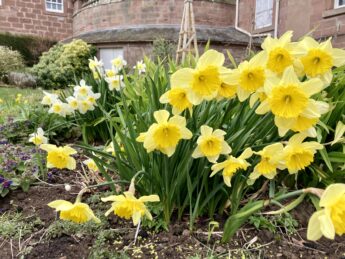
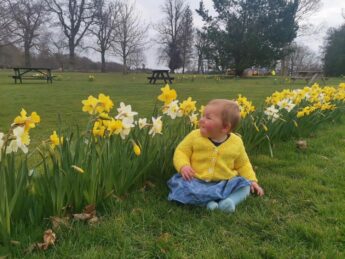
The daffodil display at Paxton House is famous. The house sits in parkland planted thickly with naturalised daffodil bulbs and in April they are blooming marvellous. There is now a bright swathe of yellow across the whole of the entrance front which really sets off the grandeur of the pillared portico designed for Patrick Home of Billie by the Adam brothers, John and James, in 1758. At least a dozen varieties of daffodil and narcissus are grown at Paxton and most of them are looking their best right now. They vary from big showy bright yellow daffodils to delicate pheasant eye narcissus with its white petals and red edged orange centre. In the range, the pheasant eye narcissus is the nearest variety to the original Mediterranean daffodil, immortalised in the Greek myth of self-obsessed youth, Narcissus, who fell in love with his own reflection. It’s Latin name is Narcissus poeticus, so it is also known as the Poet’s Narcissus. Perhaps it will inspire you with a verse or two or perhaps you prefer the out and out vulgarity of our grand large sulphur-yellow daffodils. TV naturalist Chris Packham recently called the brightest daffodils ‘naffodils’ but we love their cheery colour and bold shapes. The native wild daffodil of Britain is smaller and paler, closer to several of the cultivated varieties we grow..
Whichever is your favourite, join us to celebrate the way daffodils at Paxton herald the arrival of Spring.

 Paxton House wins the 2023 EU Business News Award for Best Country House Visitor Attraction and Caravan Park – Scottish Borders
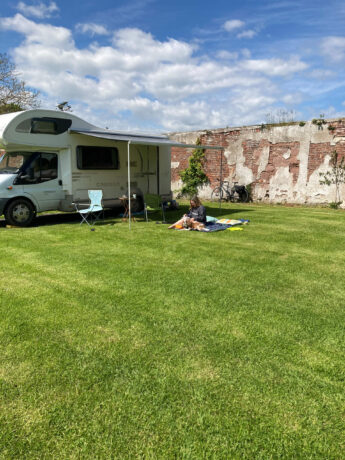 The caravan park is secluded within the walled garden and provides visitors with an oasis of peace. With only 30 well-spaced pitches, it is a great place from which to explore the beautiful Borders countryside. Guests are free to enjoy the 80 acres of manicured gardens and woodland walks that sweep down to the banks of the River Tweed. From there you can walk along to the recently re-opened Union Chain Bridge, the world’s oldest vehicular suspension bridge.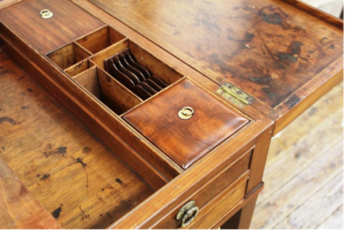
 David Jones has published extensively on various aspects of vernacular and regional furniture. He advises on several important collections of historic furniture, including Hopetoun House, Paxton House and Dumfries House. He retired from teaching Furniture History at the University of St Andrews in 2011 and has subsequently taught at other universities, including the Smithsonian Institute in Washington DC.
 Dr Fiona Salvesen Murrell began her curatorial career in the National Museums of Scotland . She has published on British art and artists and curated many exhibitions. She secured Recognition status from Museums Galleries Scotland on behalf of the Scottish government for Paxton’s Chippendale and Trotter furniture. Her recent exhibitions at Paxton have focussed on the collection’s transatlantic slave trade connections. Her Parallel Lives – Worlds Apart project was short-listed for the prestigious Museums Change Lives – Reimagining the Museum Award in 2022.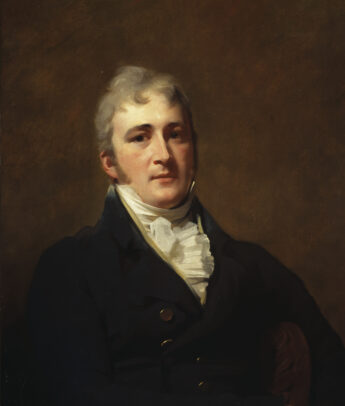

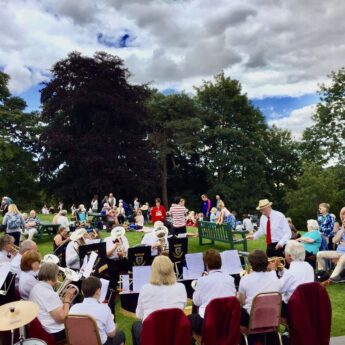 The highlight of the season will be our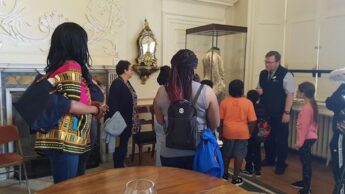
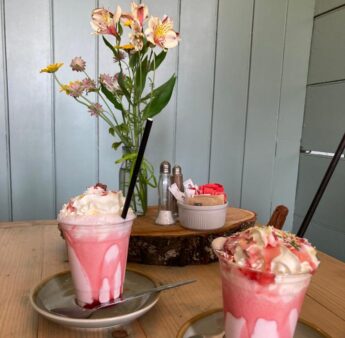 There is plenty happening this summer in the grounds for the whole family. Take a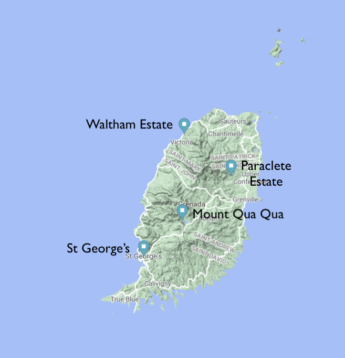



 Cait Burk is a masters student at the University of Glasgow studying historic dress and textiles. She comes from a theatre and film background working in the costume department as a maker and breakdown artist. She was also involved in Paxton House’s
  May is National Walking Month and at Paxton House we are making the most of our 80 acres of grounds and gardens to appreciate the great outdoors. Our grounds were designed for walking, the Georgian gentry loved to walk – remember Lizzie Bennett striding across the country in Jane Austen’s Pride and Prejudice for whom “not a day went by without a solitary walk”? When Patrick Home of Paxton House decided to enhance his new home with beautiful surroundings in the 1750s, he wanted to enjoy the spectacular setting with meandering paths that led down to the river and to make the most of the views across the river Tweed.
 Woods & Water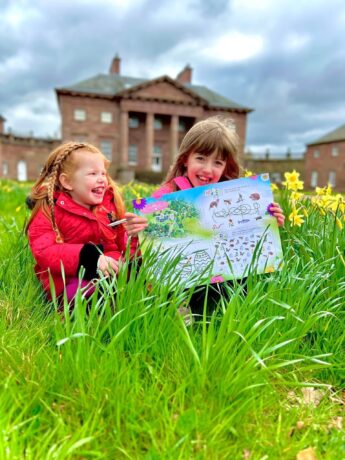

 Samuel Brown (1776-1852) was an extraordinary entrepreneur. A naval captain from Newcastle, who founded a company that supplied chains to the Royal Navy, he realised that chain technology could be used to support the platform of a bridge. Like Robert the Bruce, legend has it that he was inspired by watching a spider build its web. The bridge was the first iron suspension bridge in Europe to carry vehicular traffic. Designed in 1817 and opened in 1820, the bridge held the record for the longest clear span deck in the world until the opening of Thomas Telford’s Menai Bridge in 1826. The Egyptian-inspired Scottish pylon, that supports the chains, is the earliest surviving road bridge pylon in the world.
 .
.